

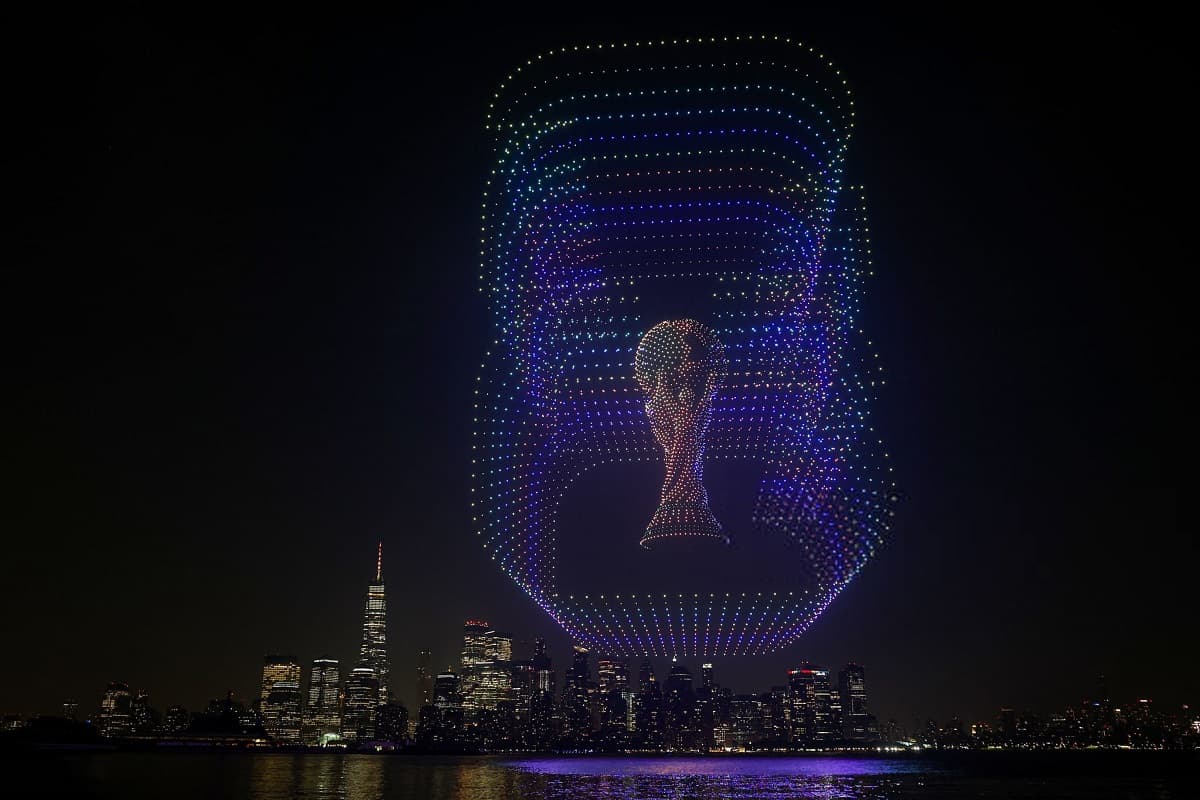
The World Cup wrapped up on Sunday, with Spain crowned champions after beating Argentina 1-0 after extra time in the final in front of a capacity crowd at New York New Jersey stadium.
Here are some takeaways from the tournament, which was co-hosted by the United States, Canada and Mexico:
A new, expanded format of 48 teams meant more matches, more goals, and more records broken. But ultimately, it was dominated by the usual suspects, with all four semi-final places won by world soccer governing body FIFA's top four ranked teams — Argentina, Spain, France and England.
There were, however, a couple of fairytale runs — Cape Verde won over supporters' hearts after the debutant band of journeymen professionals and raw youngsters held Spain and Uruguay to draws and forced Argentina into extra time. Norway entertained audiences with their "Viking row" and made it to the quarter-finals for the first time ever.
Ahead of the tournament, worries over visas, guns and a lack of local interest had made many global fans sceptical of the U.S. role in hosting. But ultimately supporters found a warm welcome from Americans in what became known as the Great American Sleepover. Social media was filled with cross-cultural posts of Americans embracing the traditions of visiting supporters — even morning bagpipes — and Europeans discovering the delights of free soda refills.
Men's soccer in co-host Canada has for years struggled to take off at the higher levels but the team's progress to the last 16 signalled that may be changing, with investment in the sport accelerating and games attracting record crowds.
By contrast, soccer is well-established in Mexico. Stadiums were (mostly) packed and fans euphoric, especially when Mexico played. But Mexico's first World Cup knockout win in 40 years led to four deaths in crowd crushes as fans celebrated and there has been little sign of long-term benefit to the economy.
U.S. fans were frustrated that their team again exited at the round of 16, with the controversial intervention of President Trump in the suspension of a red card from the previous match for their leading striker making little difference in the end. But once all the hype died down, one fact remained: the team performed in line with expectations.
There was considerable outrage over the high cost of stadium tickets compared to previous tournaments. Enough people were willing to pay, attendance numbers indicated. But increasingly, going to the World Cup is something only possible for affluent fans or the obsessive.
As well as the working class, supporters from countries facing visa restrictions were shut out of the World Cup. Diasporas and Americans lending their support helped make up the numbers in the stadiums, at least in part.
FIFA rules ban political displays in stadiums. But when they happened, there was no immediate response from authorities and the show went on.
The Americanisation of football — specifically, hydration breaks and a halftime show during the final — caused disgruntlement in some quarters. Critics said it broke the natural flow of a match to allow more broadcast advertising. But coaches made the breaks a tactical opportunity and, in a warming world, these innovations may end up being a keeper.