


The football world has only recently experienced the first-ever 48-team FIFA World Cup, yet conversations about another expansion have already begun. FIFA President Gianni Infantino has indicated that increasing the tournament to 64 teams is an idea that deserves consideration, suggesting that football’s premier competition could continue evolving in the years ahead.
Although no formal proposal has been approved, the possibility has reignited debate among football officials, clubs, broadcasters, and fans about whether the World Cup can continue growing without compromising its quality or tradition.
Economic benefits could be FIFA’s biggest motivation
A larger World Cup would likely create additional commercial opportunities. More participating countries would mean broader television audiences, greater sponsorship exposure, increased ticket sales, and stronger engagement across emerging football markets.
At the same time, expanding the tournament could strengthen FIFA’s control over football’s financial ecosystem. As qualification becomes less competitive, continental qualifying tournaments may lose some of their commercial appeal, making FIFA’s flagship competition even more valuable in comparison.

Infrastructure requirements would increase significantly
Hosting a 64-team tournament would demand a much larger operational effort. More stadiums, accommodation facilities, transportation systems, training grounds, and security resources would all be required.
Countries planning to host future tournaments could face higher construction costs and tighter preparation schedules. Organizing such an event within a single nation may become increasingly difficult, encouraging more joint bids involving multiple host countries.

The football calendar would become even more congested
Expanding the tournament would almost certainly increase the total number of matches and extend the duration of the competition unless FIFA redesigned the format.
That would place additional pressure on domestic leagues, continental club competitions, and international fixtures. Clubs have repeatedly expressed concern that an increasingly crowded calendar leaves players with less recovery time throughout the season.
Mixed reactions across world football
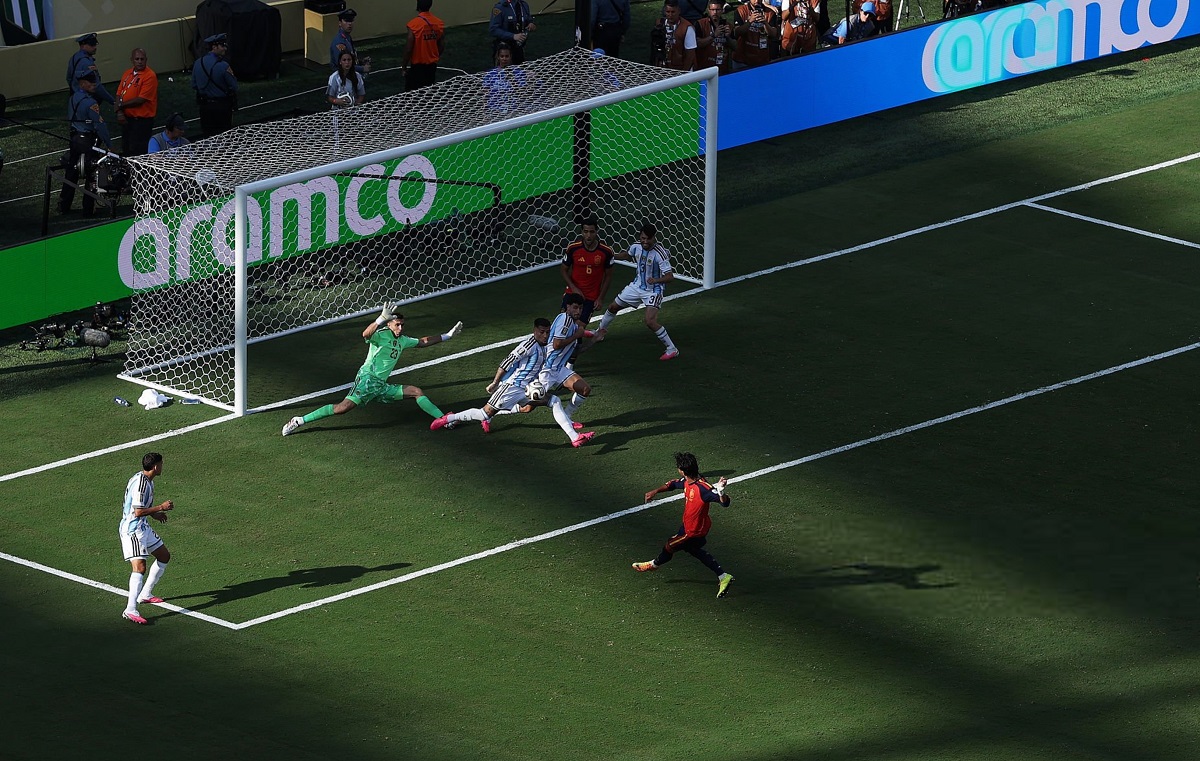
Supporters of expansion argue that more countries deserve the opportunity to compete on football’s biggest stage. They believe broader participation can accelerate football development in regions where the sport continues to grow.
Critics, however, fear that expanding too far could reduce the overall competitiveness of the tournament and diminish the prestige traditionally associated with qualifying for the World Cup.
The final decision may depend on the success of the 48-team format
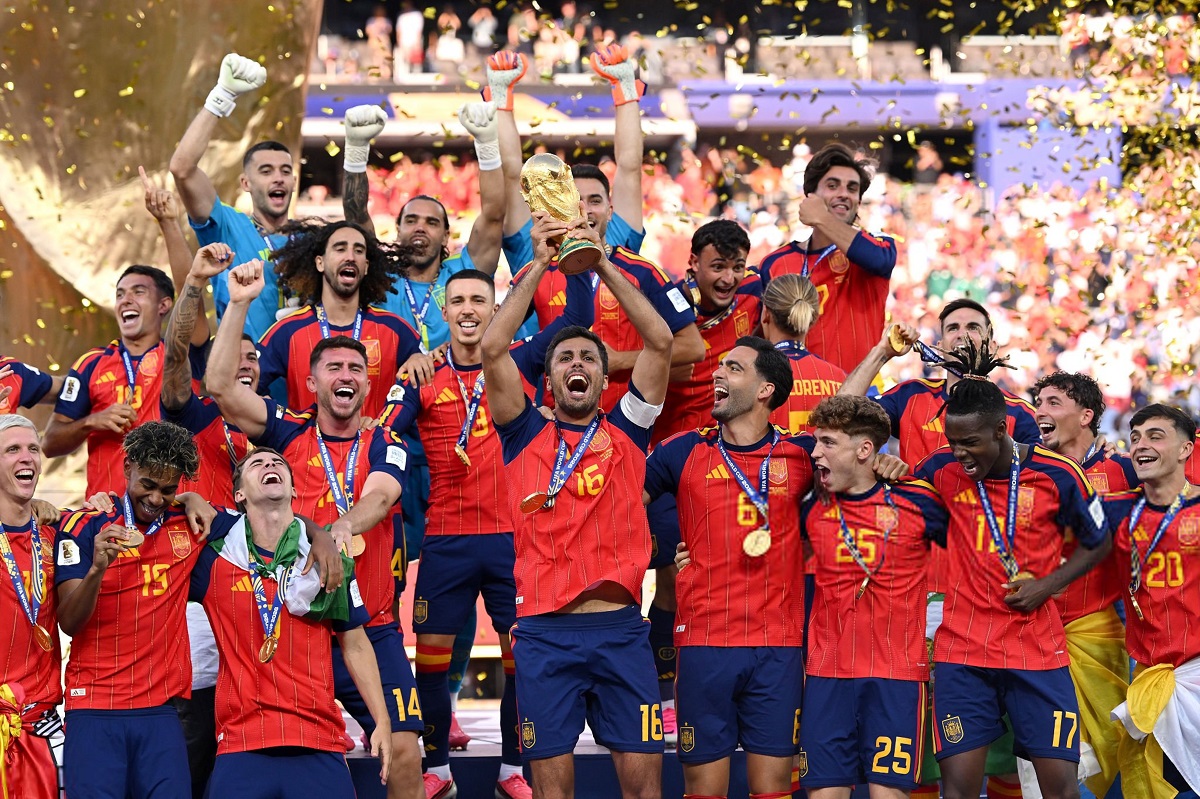
Before any further expansion becomes reality, FIFA will likely evaluate the sporting, commercial, and operational performance of the new 48-team World Cup.
If the expanded format proves successful financially and logistically, discussions about a 64-team competition could gather momentum. Otherwise, football’s governing body may decide that the current structure already represents the practical limit for the tournament.