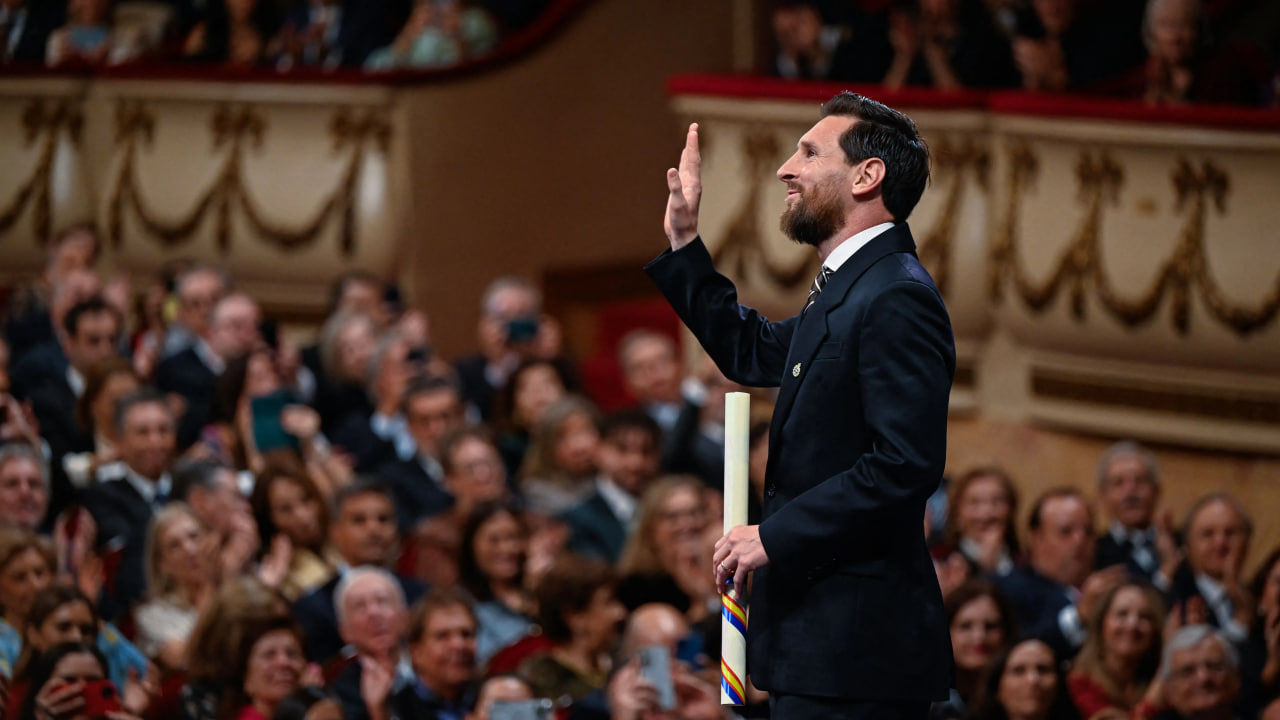
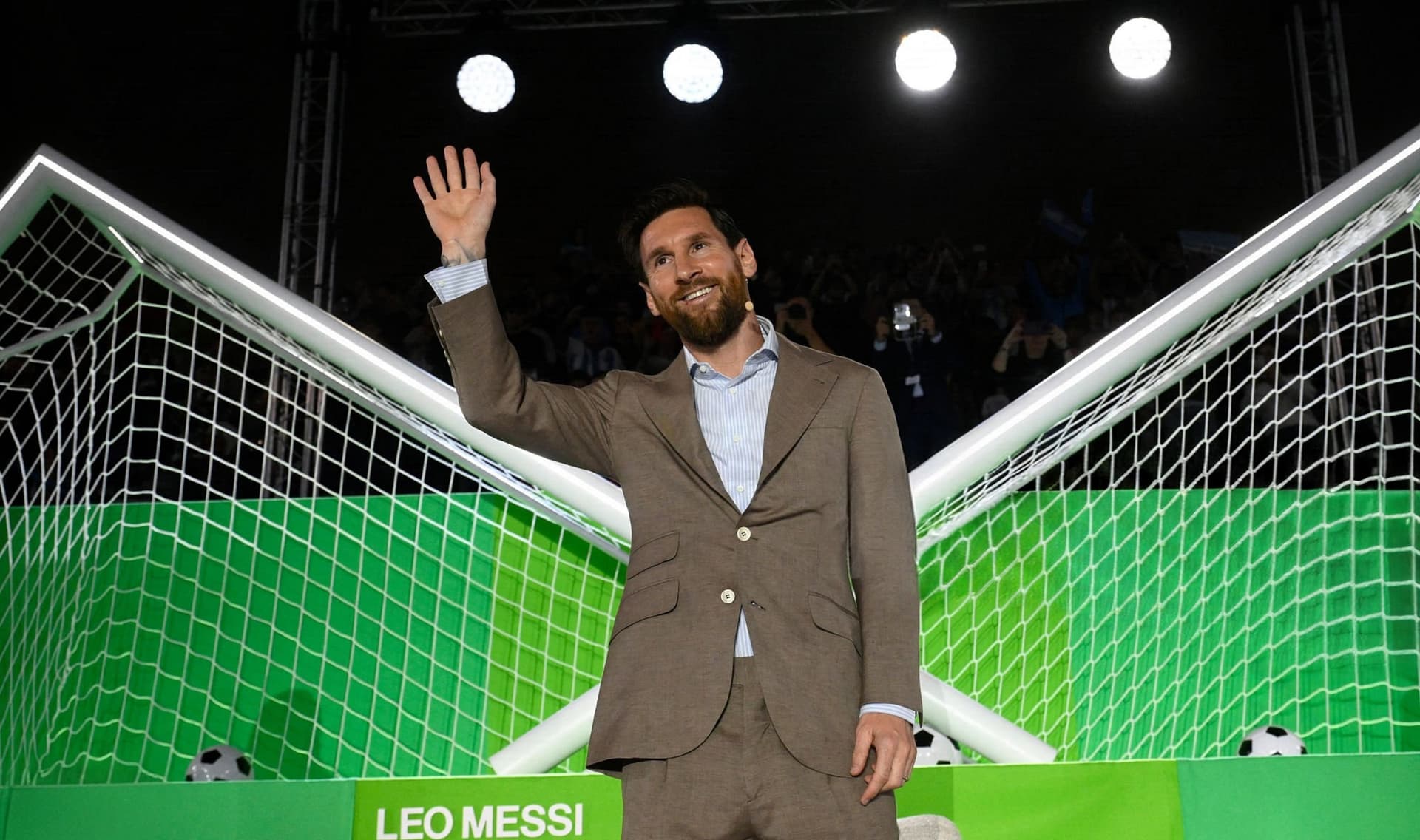
On the eve of receiving the prestigious Princess of Asturias Award for Sports in Oviedo, Spain, Argentine football legend Lionel Messi sat down with the EFE news agency to reflect on the people, experiences and values that have shaped his extraordinary journey. In an interview that went beyond football and trophies, Messi spoke about the lasting influence of his late father, Jorge, his deep emotional connection to FC Barcelona, Argentina’s historic 2022 World Cup triumph, and the importance of family, perseverance and solidarity.
The conversation offered a personal glimpse into the man behind one of the greatest careers in football history. From the advice his father gave him as a young player to the memories he carries from Barcelona and the significance of being recognised for both his sporting achievements and charitable work, Messi reflected on a journey defined not only by success but also by the people and principles that have guided him along the way.
His Father’s Legacy and the Values That Shaped Him
Argentine football star Lionel Messi spoke emotionally about his father, Jorge, who passed away on August 8, revealing how much the Princess of Asturias Award for Sports had meant to him and his family.
In an interview with the EFE news agency at the Hotel de la Reconquista in Oviedo, Messi explained that his father had been “very excited” about the award. Despite the difficulties posed by his football commitments with Inter Miami CF, Jorge had repeatedly insisted that his son should travel to Oviedo to receive the honour in person.
His father was “very happy” about a distinction that went “beyond what one does on the pitch” or what one achieves throughout an entire career. For that reason, Messi added, “he will surely be enjoying it too.”
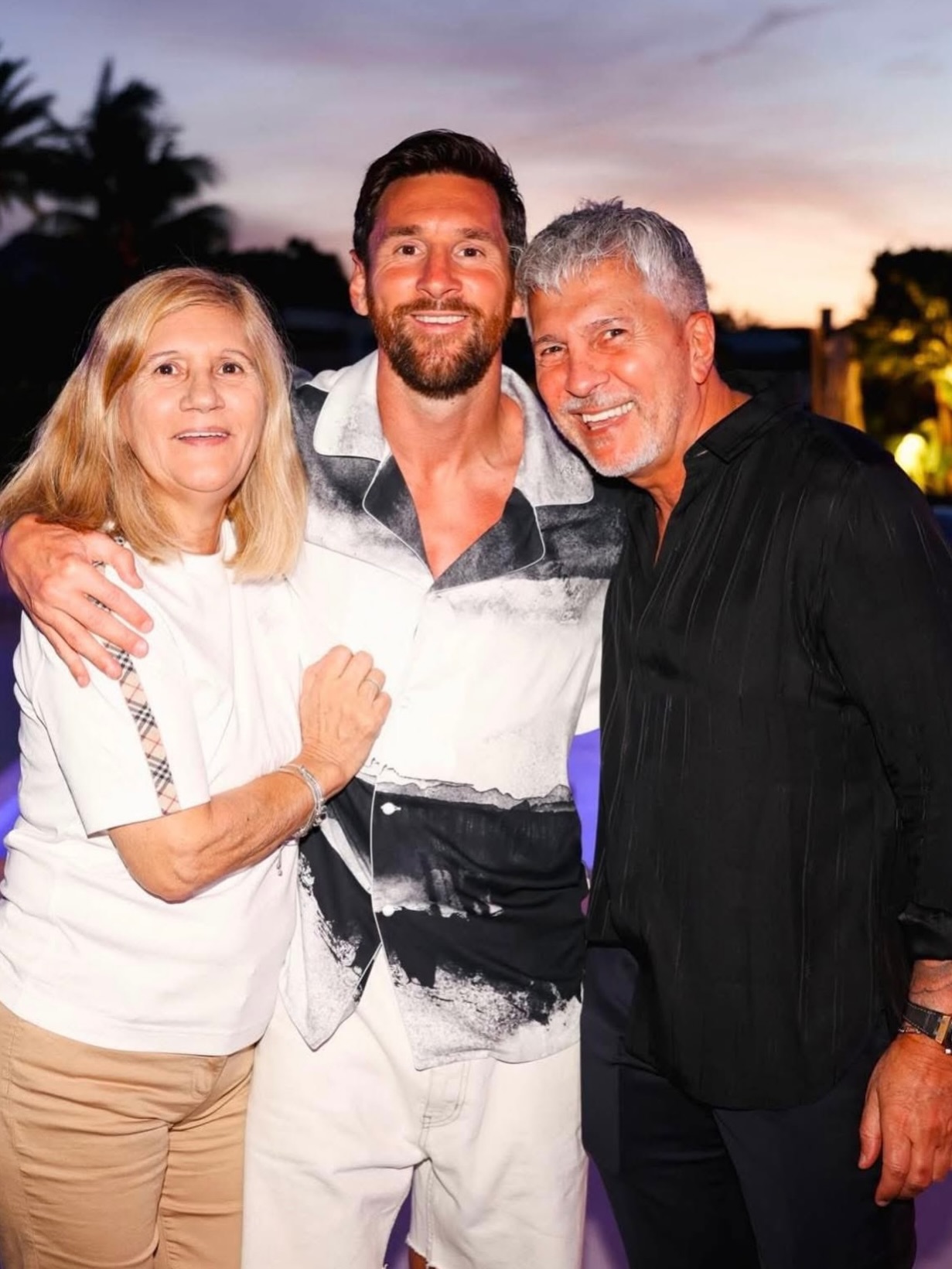
The award also gave Messi an opportunity to reflect on the values his parents had instilled in him from an early age: commitment, respect and solidarity. These principles, he explained, remain an essential part of his life, and he now tries to pass them on to his three children together with his wife, Antonela.
Messi also spoke about his charitable work, including support for children with cancer through the SJD Pediatric Cancer Center Barcelona and donations to help those affected by the DANA floods and wildfires in the mountains west of Madrid.
He explained that he and his family always try to help wherever they can. Although the media now make people more aware of these issues, Messi noted that he had also helped others in the past without seeking public attention.
“You do it from the heart because you feel it,” he said.
His reflections on family and solidarity offered a glimpse into the personal values behind his achievements, as well as the influence his father continued to have on him.
Barcelona, Argentina’s World Cup Triumph, and the Lessons of His Career
From the values he learned at home, Messi turned to another defining part of his life: FC Barcelona, the club he described as the club of his life.
Now playing for Inter Miami CF after his spell at Paris Saint-Germain, Messi acknowledged that it is “difficult to sum up in a few words” what Barcelona means to him, because the club is such an important part of his life.
He recalled the many wonderful experiences he enjoyed both at the club and in the city, where his three children were born. As a result, he explained that he has “a very, very special affection for the city and for the club.”
Reflecting on his development at Barcelona, Messi stressed that being a footballer involves much more than simply playing the game.
“When you are there, it is not just about playing football. Football is the consequence of many things that have to be done, and of many responsibilities you have before going to training or playing a match,” he said.
For Messi, discipline and preparation have always been central to excellence. Asked about the pursuit of improvement, he emphasised that the expression “you train the way you play” is “not just words.”
He admitted that he has always hated losing, “not even in the short-sided games during training sessions.”
“Since I was little,” he explained, he had been “very competitive,” always trying to win, grow and improve. In his view, “training is there to help you grow” and to ensure that you enter competition with “the greatest possible tools” at your disposal.
That determination to keep improving was also reflected in his memories of his father’s advice. Jorge and Messi regularly discussed football after training sessions and matches, exchanging ideas about his performances.
Perhaps the most important lesson his father taught him was to keep trying, regardless of the outcome.
“Take the ball and try, whether it goes well or badly. Don't dwell on it, because there was always one more play.”
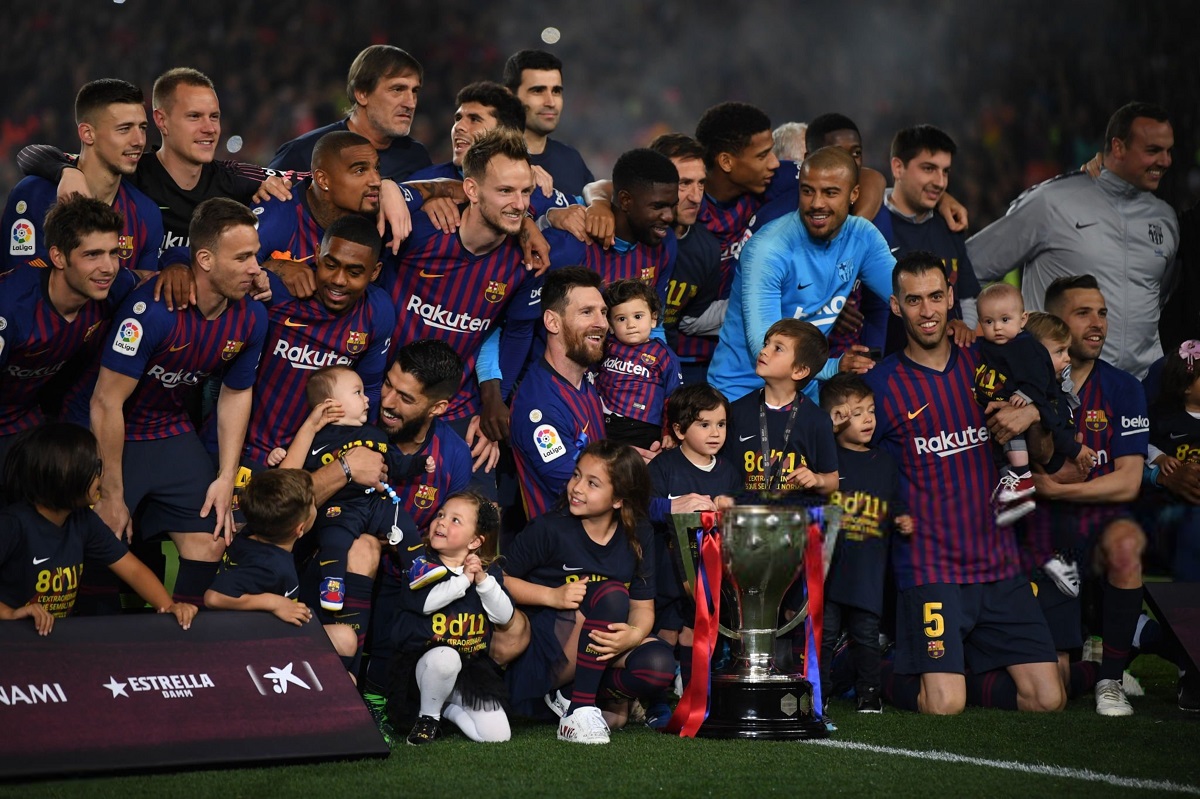
Messi also recalled the moment he began to believe that his dream of becoming a professional footballer was within reach. Joining Barcelona B brought him close to the first team, and he knew his opportunity could arrive at any moment. He described that period as “decisive” in his career.
Looking back at his greatest achievements, Messi highlighted Argentina’s victory at the 2022 World Cup in Qatar. After winning everything possible at club level with Barcelona, lifting the World Cup was a way of “completing” his career with something that “was more than a dream.”
The goals he scored in the final were among the most important of his career “because of their significance, the moment and the match itself,” alongside other defining goals in Champions League finals and El Clásico encounters with Barcelona.
Asked how he would like to be remembered, Messi said he hoped to be remembered “as a great sportsman” who always fought for his goals and dreams.
“Sometimes I achieved it, sometimes I didn't, but I never stopped trying to win everything that was in front of me.”
He also reflected on the importance of opportunity, observing that many people have considerable ability but never reach their potential because they lack the opportunities they need.
This belief in perseverance, opportunity and hard work forms another important connection between his personal values and his footballing journey.
Oviedo, the Princess of Asturias Award, and a Lasting Memory
For Messi, the visit to Oviedo was not simply another public appearance or an opportunity to add an honour to his collection. It was a moment of personal reflection, gratitude and recognition.
The Argentine superstar said he felt “very excited,” “very happy” and “very grateful” to receive the Princess of Asturias Award for Sports. Having lived in Spain for more than twenty years, he explained that he understood the significance of the distinction.
The award recognised his “dazzling talent” and “exceptional sporting career.” The jury also highlighted “his remarkable and sustained charitable work to promote access to education and healthcare for the most disadvantaged children.”
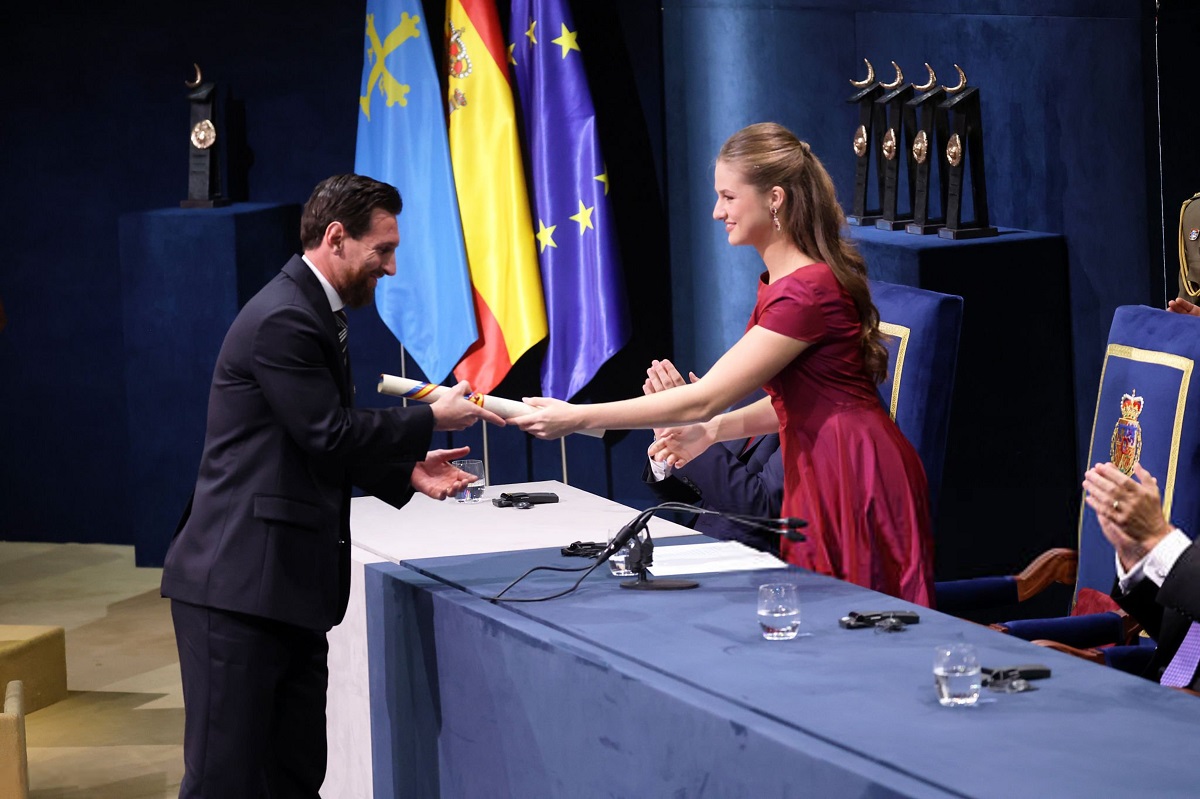
For Messi, the recognition was especially meaningful because it extended beyond his achievements on the pitch and acknowledged his contribution to society.
His father’s enthusiasm for the award added another personal dimension to the occasion. Although Jorge was no longer alive to attend the ceremony, Messi felt that the honour was something his father would also be enjoying.
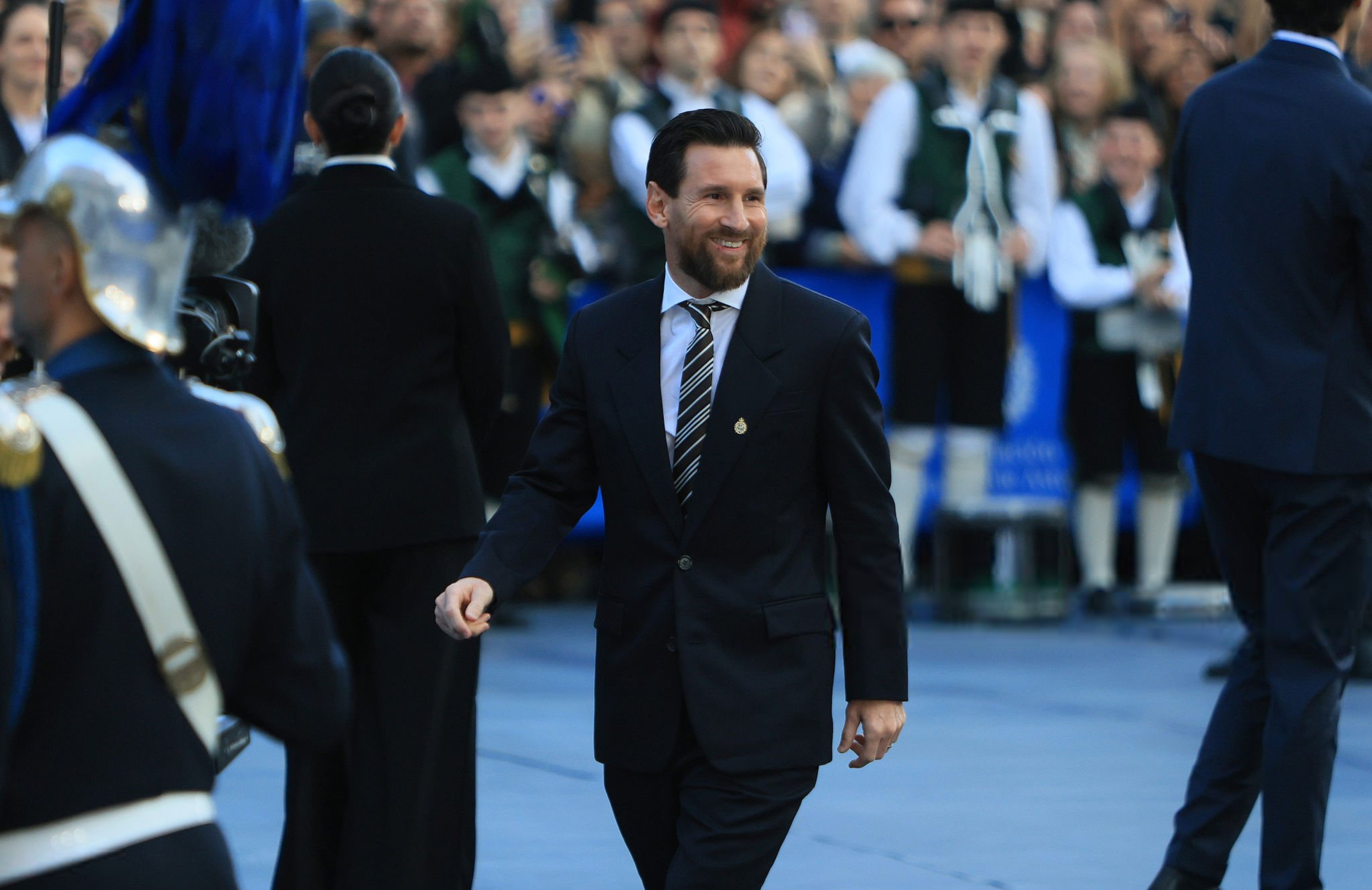
Outside the Hotel de la Reconquista, hundreds of supporters gathered to catch a glimpse of the footballer, many of them Argentinians. Their presence reflected the affection and admiration he continues to inspire among fans around the world.
Before receiving the award, Messi was also scheduled to participate in a public event at the Palacio de los Deportes in Oviedo, attended by more than 6,000 people, most of them children and young people. The event formed part of Toma la palabra (“Take the Floor”), an educational and cultural programme through which students across Asturias learn about the work and achievements of the award recipients.
The official ceremony was scheduled for the following day at the Campoamor Theatre in Oviedo, presided over by the King and Queen of Spain alongside Princess Leonor and Infanta Sofía.
Messi was among a distinguished group of recipients that included astronaut Christina Koch, singer and writer Patti Smith, English writer Julian Barnes, British professor Timothy Garton Ash, scientists David Klenerman, Shankar Balasubramanian and Pascal Mayer, animation studio Studio Ghibli, and the Svalbard Global Seed Vault.
The occasion also gave Messi the opportunity to reflect on how he would like his career to be remembered. His answer returned to a theme that ran throughout the interview: the importance of continuing to fight for one's ambitions, regardless of setbacks.
For a player who has experienced extraordinary success at both club and international level, the award represented recognition not only of his sporting achievements but also of the values, relationships and charitable efforts that have accompanied his journey.
As Messi reflected on his father, his years at Barcelona, Argentina’s World Cup triumph and his visit to Oviedo, one idea connected all three parts of his story: success is about more than winning. It is also about the people who support you, the values you carry with you and the willingness to keep trying.