

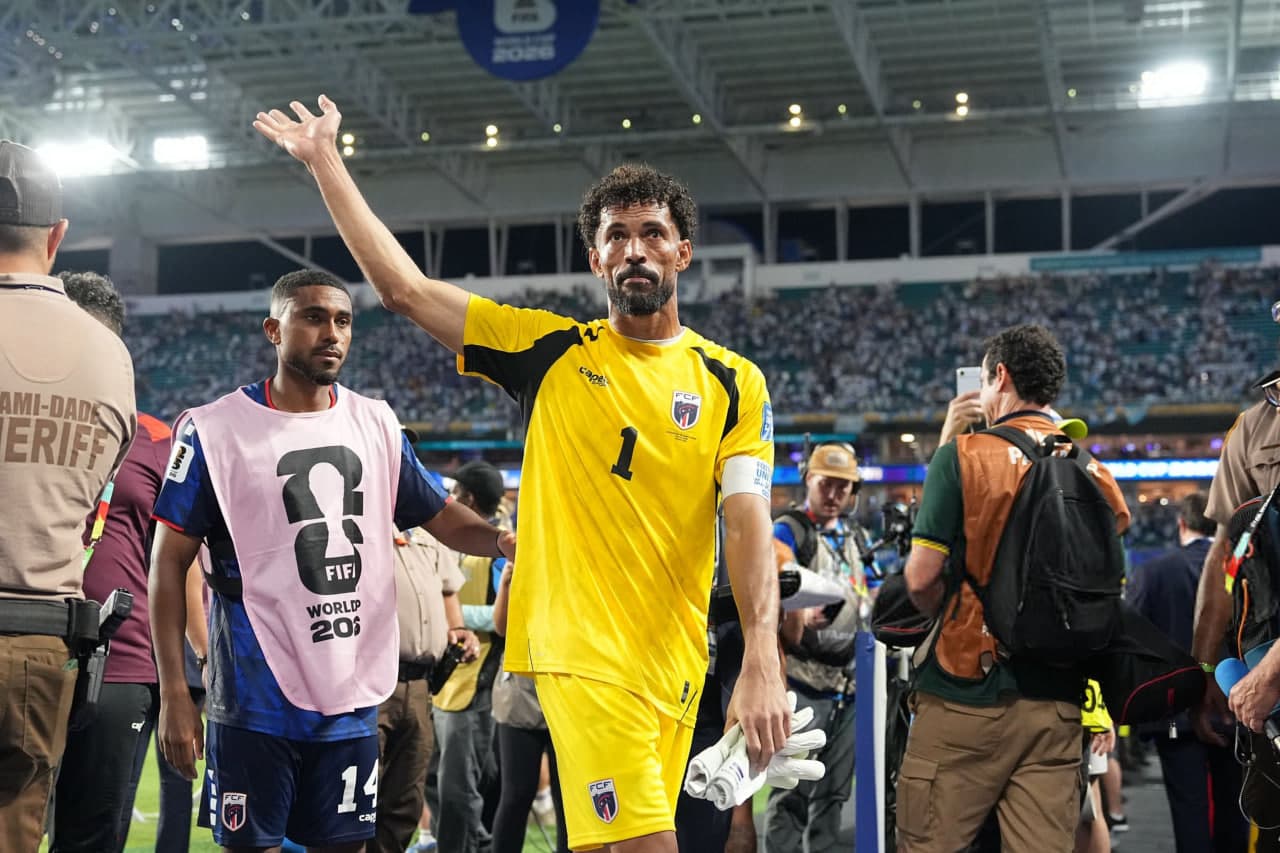
For anyone passionate about football, the name Vozinha is now almost as familiar as Lamine Yamal or Kylian Mbappé. Six months ago, however, Cape Verde’s goalkeeper was unknown to the wider public. His life was centred on the small Portuguese city of Chaves, where he played in the country’s second tier. Away from the spotlight, his personal and professional lives were comfortably balanced. Until this summer.
“I’ve lost my peace and tranquillity,” Vozinha tells The Observer in an exclusive interview. “I no longer have any privacy, or at least much less than I used to. Now I go out, I go to a restaurant, and there’s always someone who wants to take a photo with me or asks me for an autograph. Or, worse, someone is filming me. That’s what has changed most in my life, and I don’t think there’s anything I can do about it.”
The World Cup changed everything. Before Cape Verde’s opening game against Spain, a 0-0 draw in which Vozinha heroically repelled the soon-to-be champions, his Instagram account had 56,000 followers. By the time the match was over, that figure had passed one million. It all began when CazéTV, the Brazilian broadcaster which held rights to the tournament, encouraged its audience to follow Vozinha on social media.
“A member of the team’s catering staff came up to me and told me I had a billion followers,” he recalls. “I had no idea what he was talking about; I thought he was joking, but he insisted. Later, I went to do some interviews in the mixed zone and a CazéTV journalist asked me if I knew what was happening. She showed me her phone and that was when I saw that I had more than a million followers.”
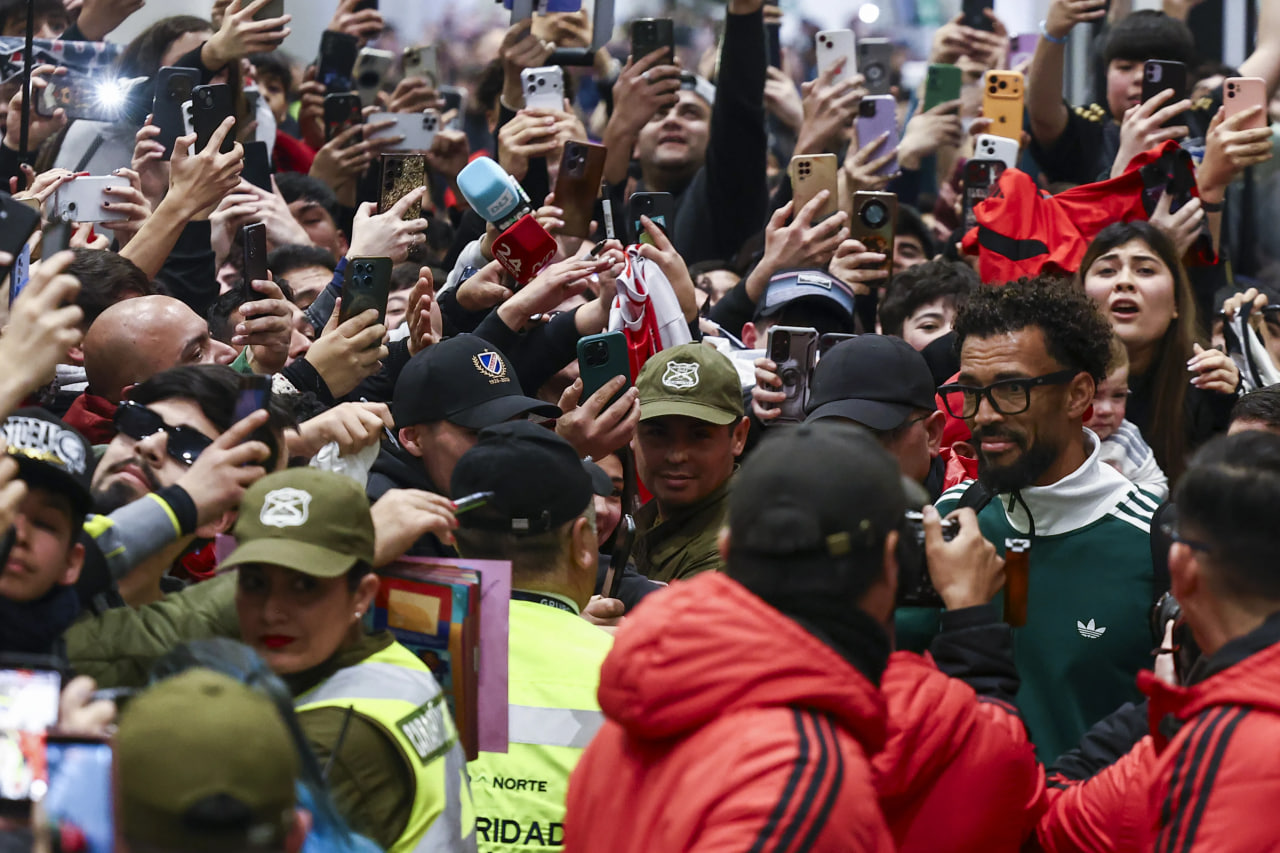
As the hours passed, the social-media phenomenon only grew. Overwhelmed by what was happening, Vozinha, together with the Cape Verdean Football Federation, decided to bring back his former manager to deal with the noise that had suddenly surrounded him and the team. “It wasn’t easy to get back to normal,” says someone close to the dressing room. Vozinha tried to restore some element of normality.
“I decided to turn off my Instagram notifications so I wouldn’t be tempted to keep checking who was following me,” he says, even though his friends would keep telling him which famous people had joined the bandwagon.
Almost overnight, he became a media personality. Popular with supporters, but also an obvious commercial opportunity. “I know that during the World Cup there were lots of companies and brands that wanted to work with me,” he says, “but while we were competing I only did one promotional collaboration, with UFL Mobile. I don’t know what offers might come in the future, but for now I don’t want to work with any tobacco, alcohol or betting brands.”
Without seeking or expecting it, his life was transformed by what happened this summer in the United States. Seven outstanding saves against the team that would go on to become world champions turned him into one of the tournament’s unlikely protagonists. Cape Verde then drew with Uruguay and reached the knockout stage, where they took the other eventual finalists Argentina into extra-time.
“A lot of people want to be famous and have a public profile, but they only see the positive side of that reality,” Vozinha says. “To be honest, if I were offered the life I have today or the life I had before, I’d choose the one I had before.”
His sudden fame has not only affected him, but those around him too. His mother, a woman who finds it difficult to say no to anyone, now sees supporters turning up at her home in Cape Verde every day, asking for a photograph or simply wanting to have a chat. His father, more reserved, has learnt to keep his distance. “I’m not there, so I can’t help them,” says the 40-year-old goalkeeper. “They have to learn to live with the situation and set boundaries.”
There is some upside, though. Cape Verde, a small group of islands off the west coast of Africa, is better known now than it was before the World Cup. “It’s nice to feel like a kind of ambassador, but I want to make it clear that what we achieved was a collective effort,” Vozinha says. “We made history and the best news would be if we could harness that momentum to develop our country and improve the living conditions of our people.”
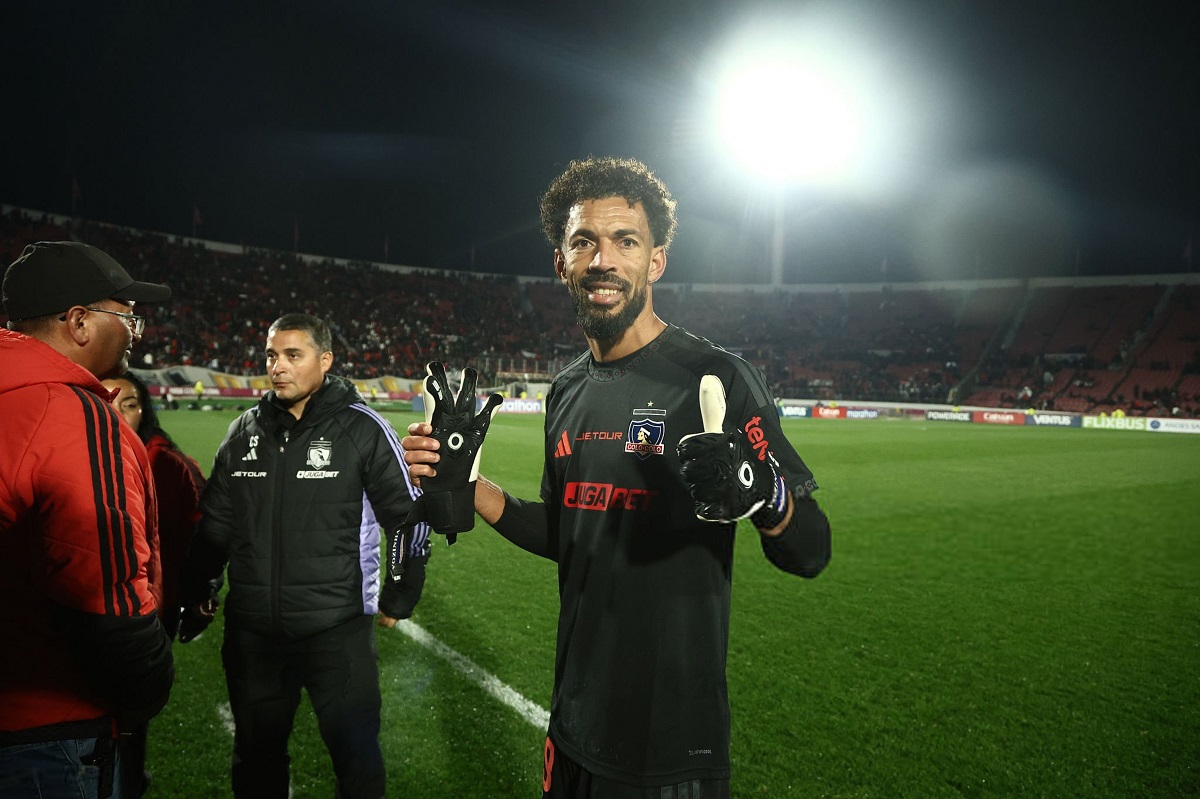
After a life-changing summer, Vozinha signed for the Chilean side Colo-Colo. “They were the club that showed the most interest,” he says. “I didn’t receive any offers from the United States and there was some contact with Saudi Arabia, but nothing concrete. Hopefully I can play in the Copa Libertadores soon.”
Meanwhile, his international career continues. Although Vozinha had initially decided to retire after the World Cup, he has been unable to resist the urge to carry on. “I still feel good,” he says down the line from Lisbon, where he is in camp preparing for the start of the 2027 Africa Cup of Nations qualifying campaign.
With a month to go before the Ballon d’Or ceremony, the latest surprise was to see his name among the ten nominees for the world’s best goalkeeper. “I never imagined it could happen,” he says. “It was unthinkable, but I’m grateful to those who thought of me. Just being on that list is already a great honour.”