

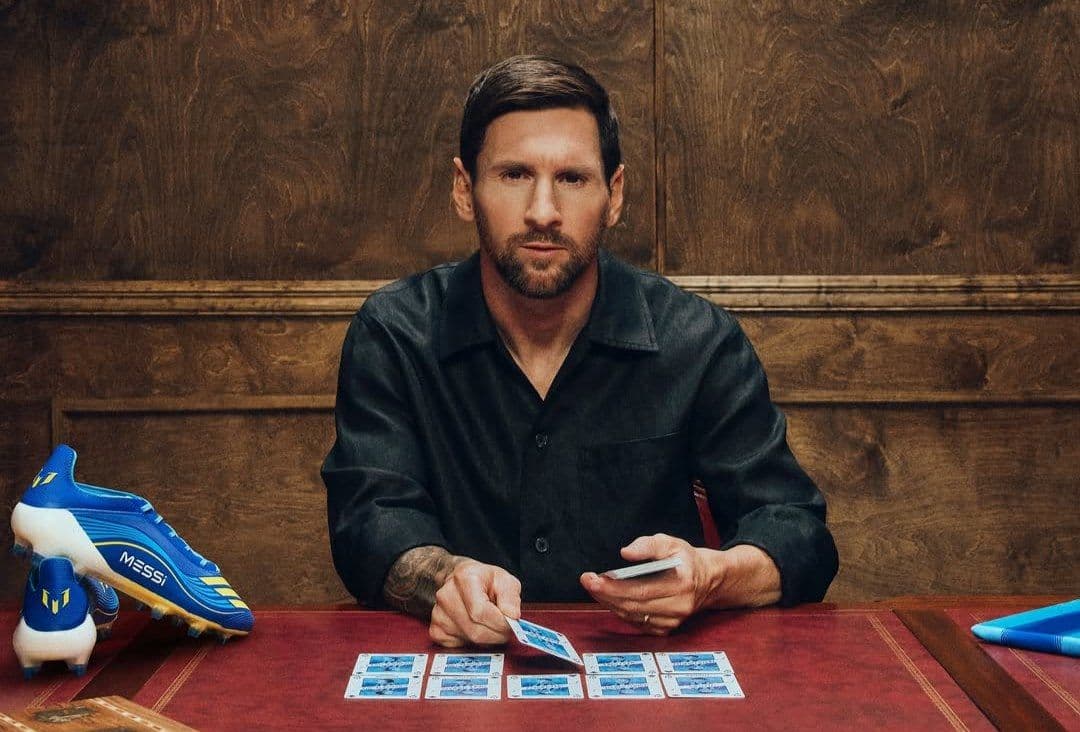
Messi’s story in football is no longer limited to what he does on the pitch. Over time, he’s been quietly building something bigger—an expanding presence in the game through club ownership and long-term projects.
A new phase: Messi as a football entrepreneur
Lately, Lionel Messi has been making headlines again, but not for his performances on the field. His recent move to acquire UE Cornellà in Spain shows that this isn’t a sudden decision—it’s part of a broader plan that’s been developing behind the scenes for years.
This isn’t just about investing in a club. Cornellà, known for its strong focus on youth development, fits perfectly into a bigger vision. It allows Messi to stay connected to a region that shaped his career while also creating opportunities to develop young talent. It’s another step in expanding his influence in football beyond playing.
Inter Miami: thinking beyond his playing days
Messi’s relationship with Inter Miami goes much deeper than just being a player. From the beginning, there has been an understanding that he would eventually take on a role as a shareholder once he retires.
That puts him right at the heart of the club’s future. Alongside figures like David Beckham, he’s not only contributing on the pitch but also helping build something sustainable—something that can leave a real mark on football in the United States.
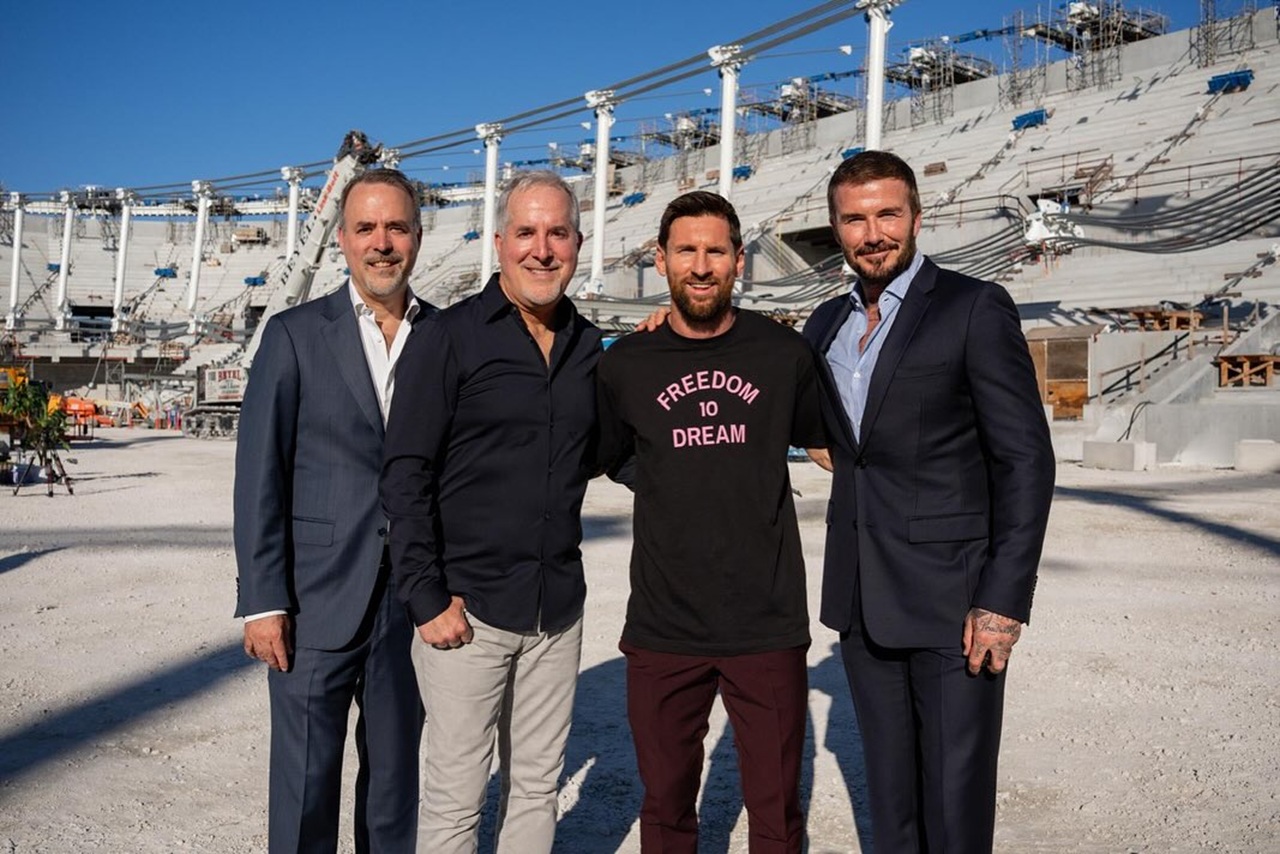
Deportivo LSM: a shared vision with Suárez
In Uruguay, Messi teamed up with Luis Suárez to create Deportivo LSM. What started as a small, amateur-level project has quickly gained momentum within the local football structure.
The idea behind the club is clear: start from the ground up and focus on development. With proper facilities and a long-term approach to nurturing players, LSM reflects how both players want to influence football in a different way—off the pitch.
Leones de Rosario: a project close to home
Back in Argentina, Messi’s involvement takes on a more personal meaning. Leones de Rosario is run by people close to him, including members of his family, making it more than just a business venture.
The club is already part of the official Argentine system and aims to move up through the ranks. For Messi, this is about more than football—it’s about staying connected to his roots and giving something back to where it all started.
Building something bigger
What might have once seemed like separate ventures now looks like a clear, long-term strategy. Messi is gradually creating a network of clubs in different countries, combining investment with player development and legacy-building.
As he gets closer to the end of his playing career, it’s obvious that his impact on football won’t fade—it will simply take a different form. His legacy won’t just be defined by what he achieved on the pitch, but also by what he’s building beyond it.