

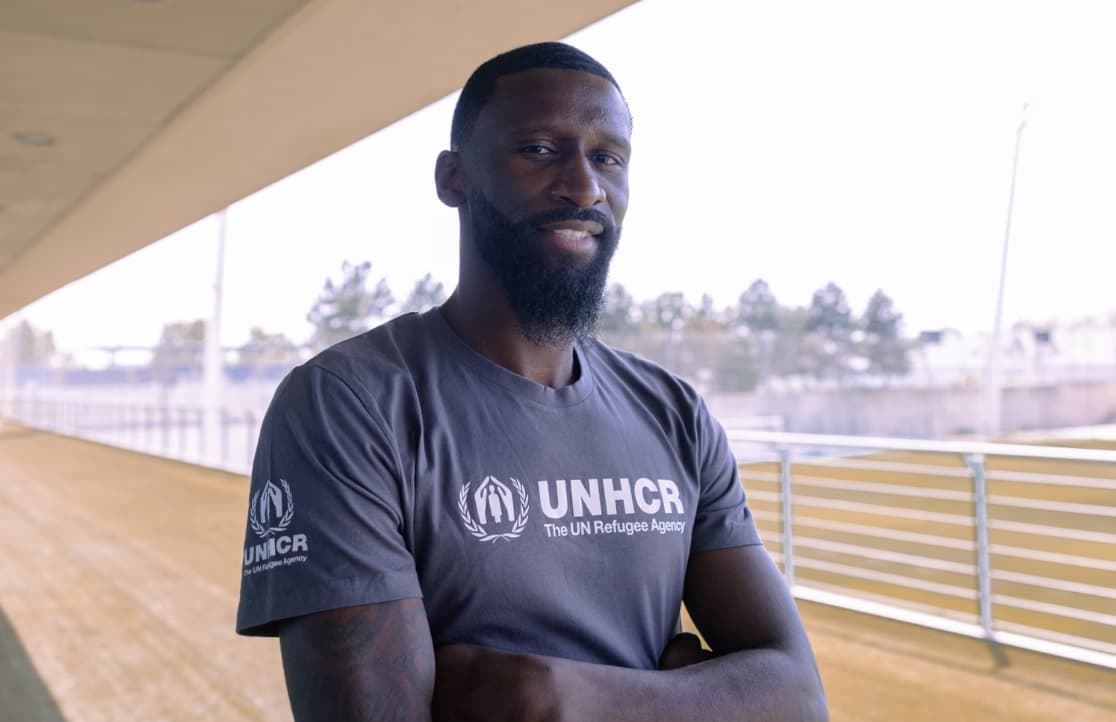
As a child, Antonio Rüdiger would look out of his bedroom window to see whether anyone was playing on the field it overlooked. It was not a big pitch, but it had two goals, enough room for six-a-side and was where a young Rüdiger honed the skills that would take him to the top.
He grew up in Neukölln, Berlin, in a community largely made up of refugees, where his parents settled after fleeing civil war in Sierra Leone. It was, by his own account, a tough area, and football kept him out of trouble.
Rüdiger, preparing to represent Germany at the World Cup, says: “We didn’t have phones to call each other: ‘Hey, let’s link up.’ No. We just looked out of the window, we saw there are guys playing football, so let’s go. That was the call. This is the nice thing about Germany; you have everywhere those types of fields. Just these days they’re not much used any more because we’re human beings and we changed to a digital life.”
The Real Madrid defender has opened up about his upbringing after joining the “Gamechanging Team” of the UN high commissioner for refugees (UNHCR) – a group of footballers with displacement backgrounds standing with refugees and challenging stereotypes. Rüdiger does not want you to feel sorry for him for enduring hardships. Far from it. He remembers a vibrant, close community with “a lot of togetherness”.
“If someone didn’t have enough food or milk, they visited a neighbour and asked,” he says. “We would share everything. It was this type of feeling. It was one of the best experiences in my lifetime.”
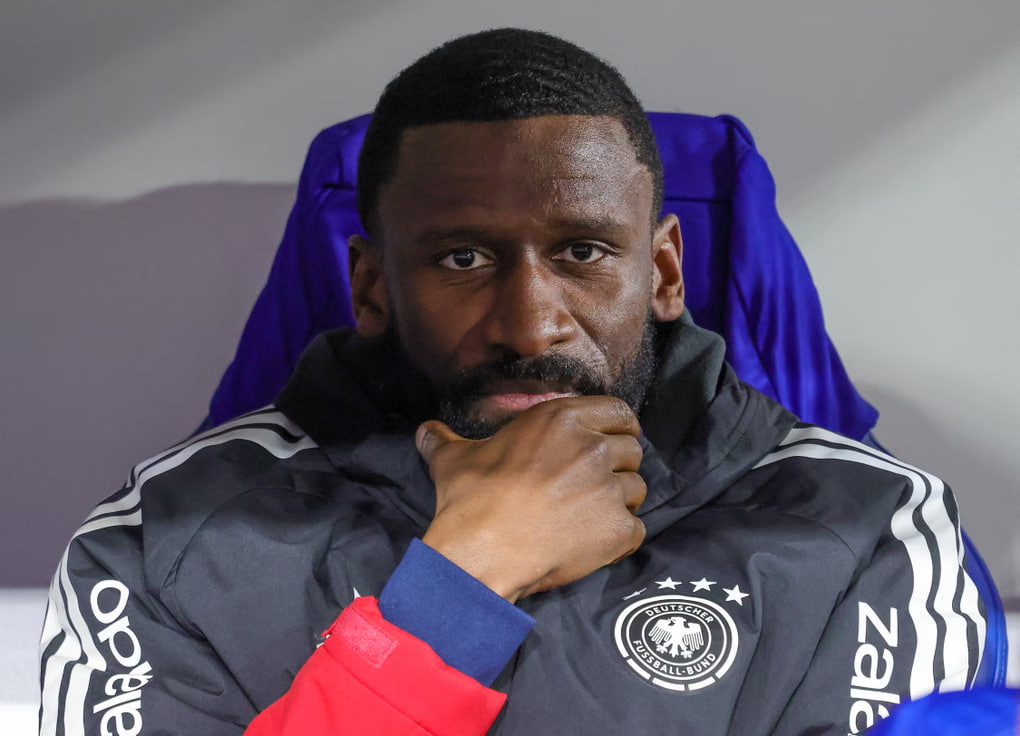
Football was central to that community. It was, the 33-year-old explains, a place for the boys to release energy in a positive way. “If you look even today: football unites. This is what united us back in those days. We don’t need to speak the same language to understand football. We need a ball, we need some players – like this we connected, more and more.
“If someone couldn’t speak the language, the football language we all understood. It was great and this follows until today. Today you play with so many people from different backgrounds: black, white, whatever – it doesn’t matter.”
Rüdiger is the youngest of six siblings. Only he and one of his sisters were born in Germany. The rest escaped Sierra Leone soon after civil war broke out in 1991 and the Revolutionary United Front attempted to overthrow the government. The conflict lasted 11 years and displaced about 2.5 million people – approximately half the population. Villages were destroyed and relatives scattered across different countries.
When Rüdiger was older, he asked his parents – his German father, Matthias, and Sierra Leonean mother, Lily – about their journey and how Sierra Leone compared with Germany. “It was for them simple to come here for us young ones to have a better life,” he says.
“You have the utmost respect for them. It’s not easy to leave somewhere behind and start somewhere new. Especially as it’s not that people are seeking refuge because they want to – no, because they have to. They have no other choice. Because this happened to my family I can understand those people and feel with them. It’s important that they be listened to.”
Rüdiger believes negative stereotypes about refugees are unfair. “In everything we have good and bad,” he says. “It goes hand in hand, unfortunately. But this is life. Some people had terrible experiences with refugees. We have to be honest as well, there are good ones coming here who really want to turn over their lives.”
He calls for perspective and understanding. “If someone commits a crime, if the person is black, for example, does that mean every black person is a criminal? No, you have to deal with that specific person … people have to think a bit more.”