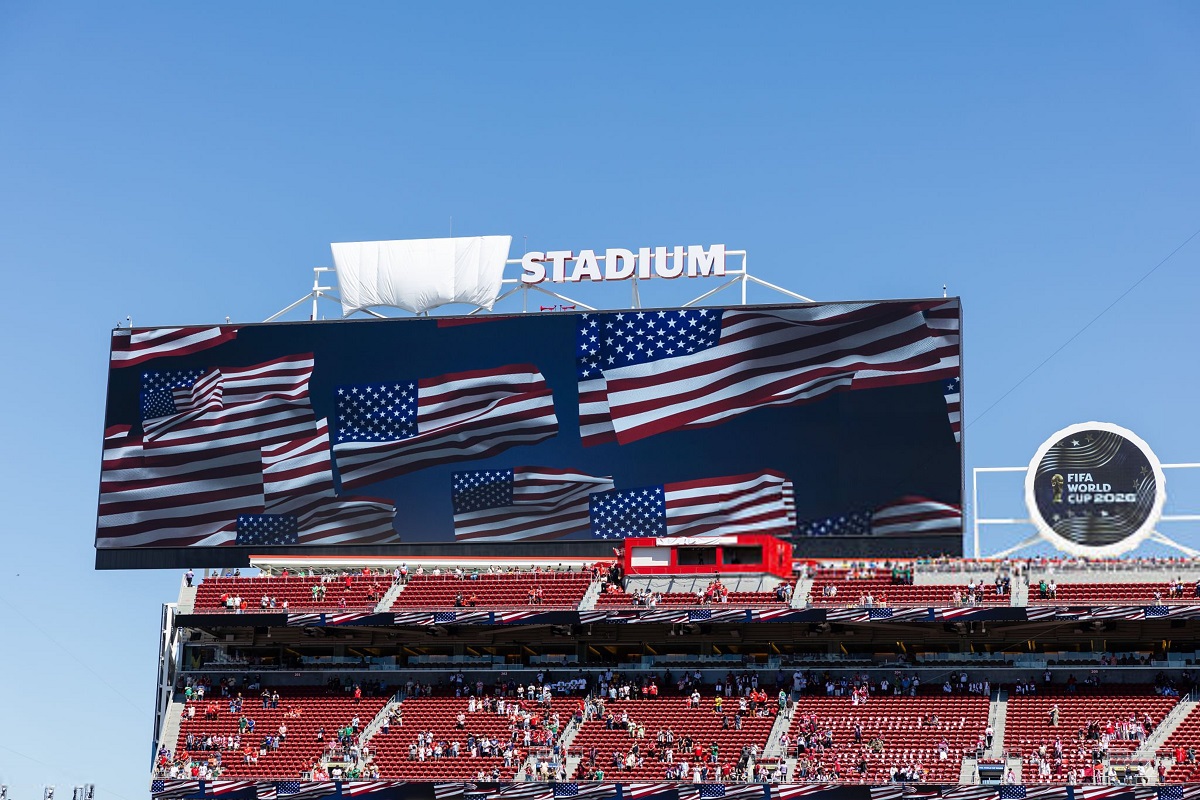
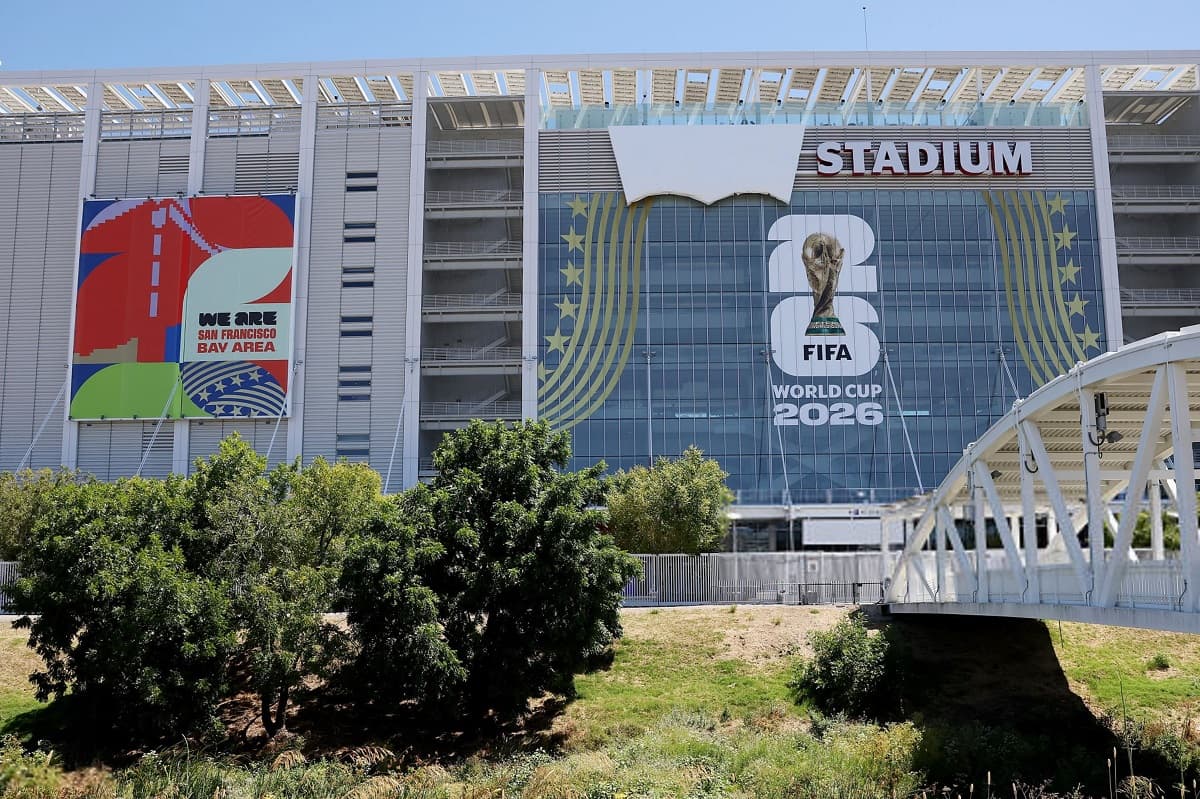
In California, the iconic Levi’s Stadium, located in Santa Clara within the San Francisco Bay Area, has temporarily concealed its branding for the 2026 FIFA World Cup matches in order to comply with FIFA advertising regulations.
Under FIFA rules, only officially approved sponsors are allowed visible advertising inside stadiums during competitions. As a result, venues named after commercial brands must temporarily remove or cover all non-FIFA sponsor branding and adopt neutral names throughout the event.
Levi’s Stadium complied with these requirements, but the way its branding was covered quickly went viral online. Instead of fully removing its identity, the stadium’s design still makes the original Levi’s branding partially recognizable, sparking widespread discussion across social media about whether this represents strict compliance or clever indirect marketing.
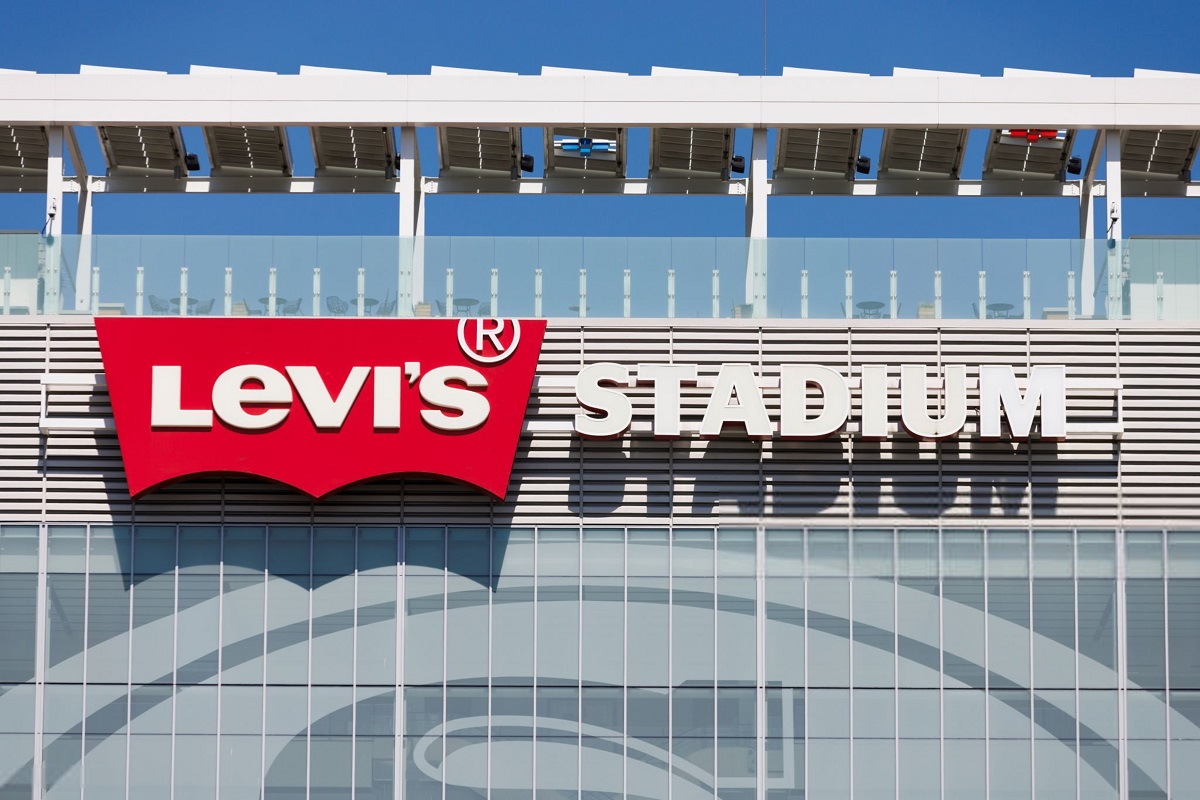
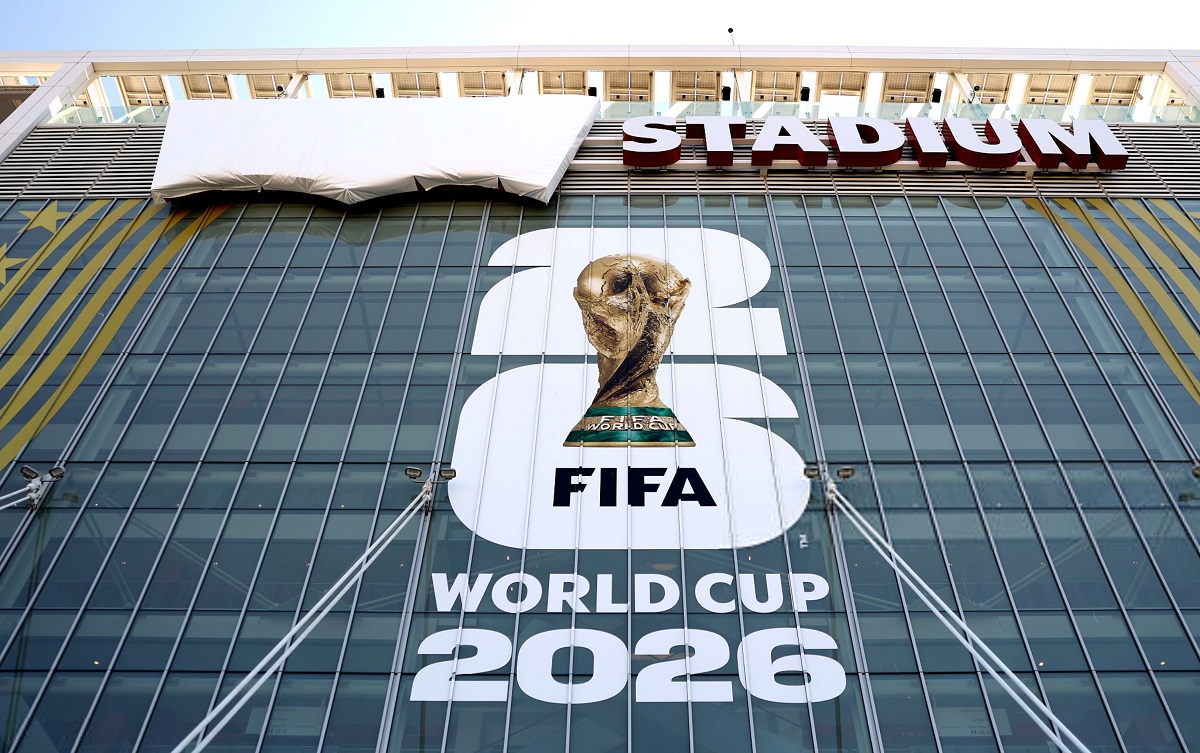
Users reacted with mixed opinions. Some joked that a denim-themed cover would have been more fitting, while others criticized FIFA’s strict sponsorship rules, arguing that stadium naming rights are part of legitimate commercial agreements. On the other hand, some defended the decision, noting that regardless of the covering, the stadium’s identity remains obvious and continues to generate strong brand visibility.
Levi’s Stadium is not the only venue affected. Several major U.S. stadiums are also required to temporarily rebrand during the 2026 FIFA World Cup. For example, Mercedes-Benz Stadium in Atlanta becomes “Atlanta Stadium,” while Gillette Stadium in the Boston area is referred to as “Boston Stadium” during tournament matches.