

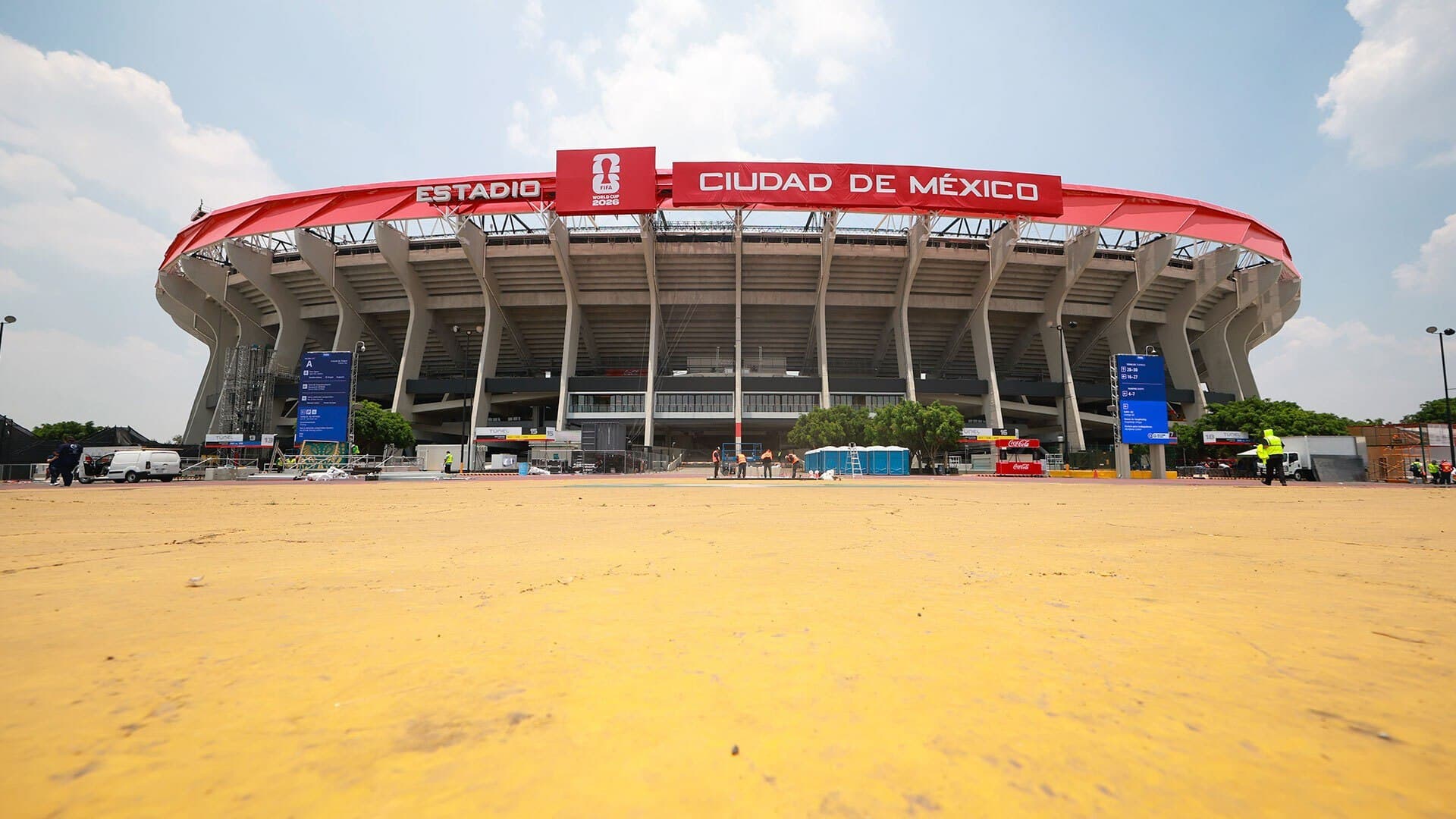
History be made on Thursday as Mexico become the first country to host or co- host the World Cup three times.
El Tri kick off against South Africa’s Bafana Bafana in the Azteca Stadium – where Pele lifted the trophy for Brazil in 1970 and where 16 years later Argentina’s Diego Maradona would also enjoy the same glorious moment – back at the scene of the crime having scored the most controversial World Cup goal ever to break Three Lions hearts.
The Azteca will not this time stage the final which will be played at New Jersey’s MetLife stadium on July 19.
But as SunSport’s Ken Lawrence details, the iconic ground is likely to again be the scene of some of the Beautiful Game’s most memorable moments.
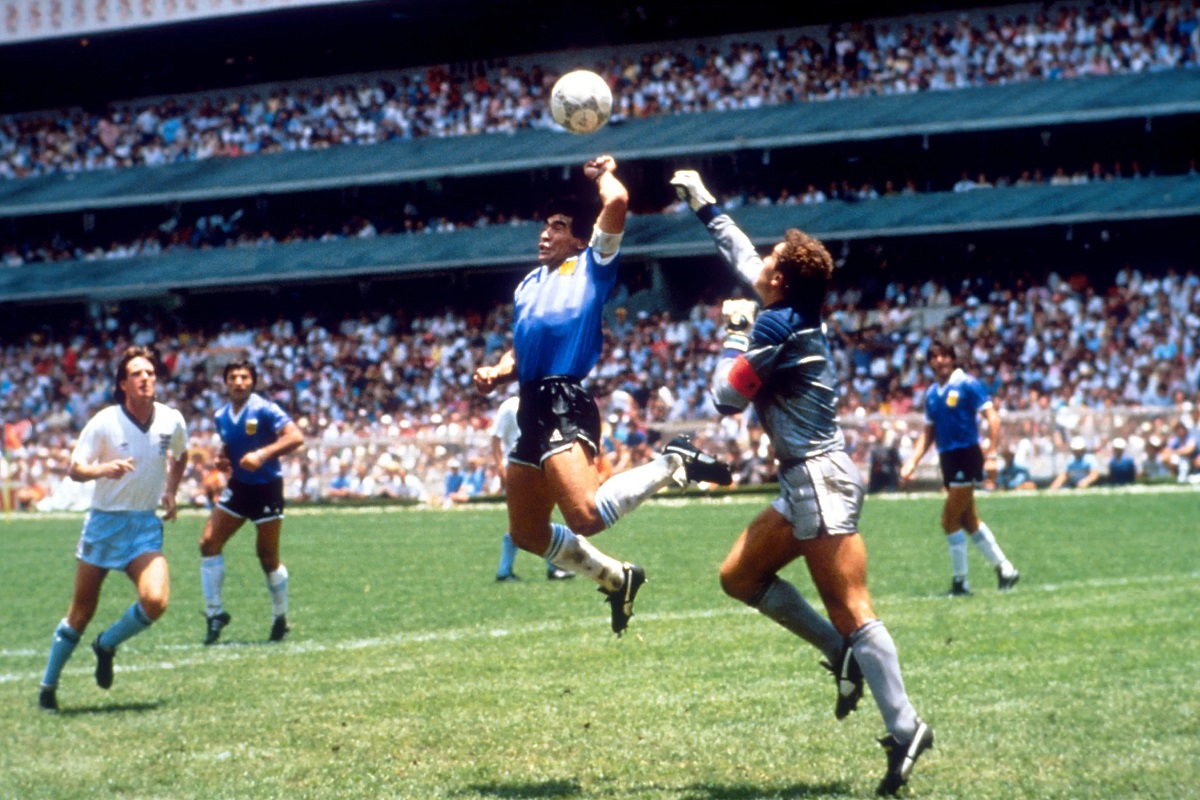
Maradona And The Hand Of God
There were 114,580 fans watching and most of them are likely to have spotted it. Just not Tunisian referee Ali Bin Nasser or his linesmen.
Six minutes into the second half with England’s last eight game goalless, Maradona and Peter Shilton rose to meet midfielder Steve Hodge’s misplaced attempted clearance.
The goalkeeper went for the ball with his right fist, his Argentinian rival got there first with his left and punched the ball into the net.
The shell- shocked England side protested but in vain, Maradona later saying it was “a little with the head of Maradona and a little with the hand of God”.
Later, he admitted he had illegally handled the ball, but also stressing that he considered the goal “symbolic revenge” for Britain’s defeat of his country in the 1982 Falklands War.
Maradona And The Goal Of The Century
As incensed as England manager Bobby Robson and his team were at being so cheated, four minutes latertheye were left simply awestruck by the Argie pocket battleship who mesmerised them over 11 seconds of magic to claim what many still consider to be the greatest World Cup goal ever.
He received the ball inside his own half with Peter Beardsley and Peter Reid in close attendance but burst away from both. As he moved deeper into the England half he cut inside Terry Butcher and then around fellow centre-back Terry Fenwick on the edge of the box before skipping beyond Shilton.
Gary Lineker got a late goal and would claim the golden boot with six strikes. The game finished 2 – 1 thanks to four minutes of Maradona mayhem and magic.
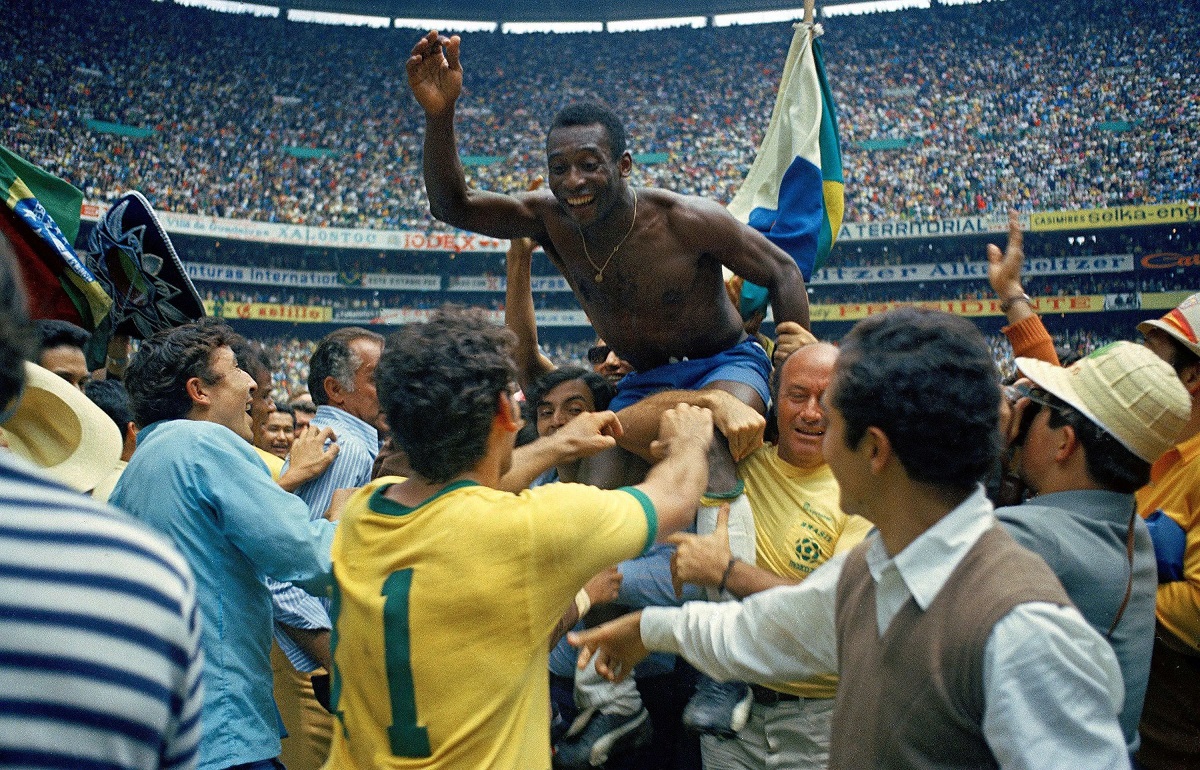
Pele, Brazil And 1970 Triumph
Such was the popularity of Pele, Roberto Rivellino and the rest of the team that samba-danced to the country’s third World Cup triumph that at the final whistle after a 4 – 1 the Azteca pitch was swamped by Mexican fans who had fallen in love with how Brazil had played throughout the tournament.
Rivellino, who gloried in the nickname of the “Atomic Kick” recalled: “The match ended and the Mexican fans invaded the pitch.
They put a Mexican sombrero on Pele’s head. It was madness – absolute madness! Tostao was almost stripped down to his underwear. It was unbelievable.”
So legendary does Pele remain to El Tri fans that the public can over the next weeks visit the room where he slept the night before that final as part of a Mexico City exhibition commemorating the 1970 finals.
The Mexican Wave
The 1986 finals also saw the start of what would become a world – wide phenomenon.
Co-hosts America still claim that “the wave” first originated in Seattle, Denver and Oakland at hockey and gridiron games but this was the first time what Mexicans call “La Ola” had been witnessed globally.
So proud of the celebration is the country that last week thousands of people flooded along one of Mexico City’s main boulevards to create what they hoped would become the biggest wave in the world and go into the Guinness Book of Records.
What is certain is that the Azteca, now with a capacity of 83, 264 after a £60M facelift will be waving at the world again.