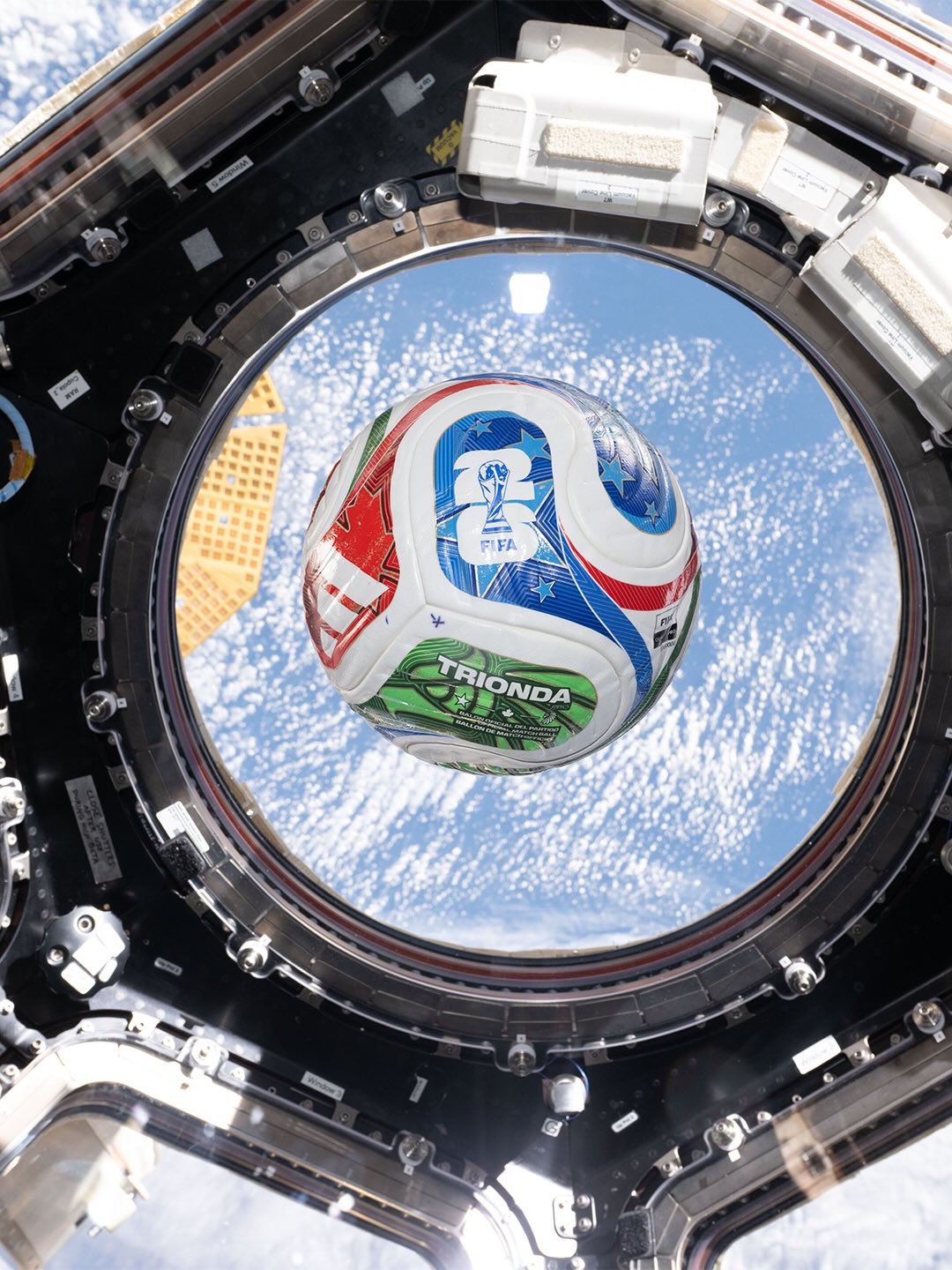
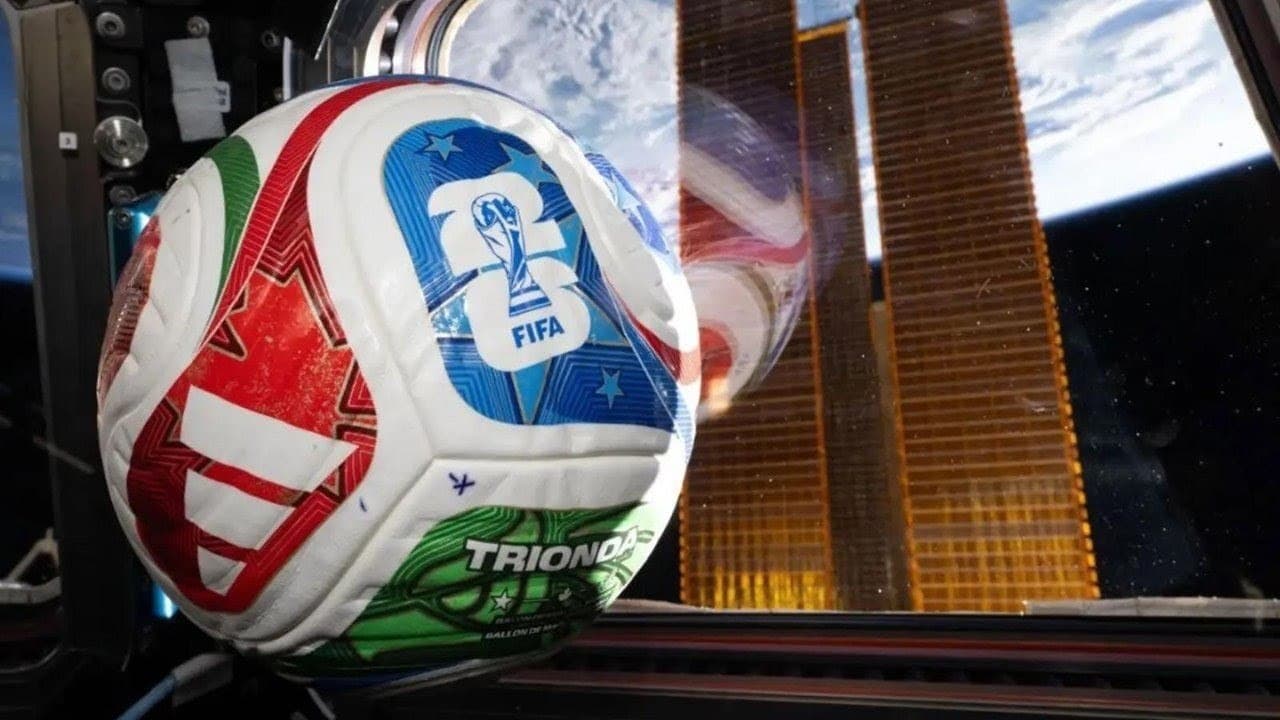
In a unique blend of football and space exploration, the official FIFA World Cup 2026 match ball, TRIONDA, has arrived at the International Space Station (ISS) as part of a NASA-backed research experiment. The project marks one of the first times an official World Cup match ball has been tested in a microgravity environment.
Astronauts aboard the ISS used the Adidas-designed ball to study how balance, center of mass, and movement behave in zero gravity. The experiment recreates a study first conducted in 2019 and aims to improve understanding of how footballs perform under different physical conditions. Researchers believe the findings could contribute to advancements in both sports engineering and aerospace science.
NASA said the tests demonstrate how even slight variations in a ball's balance can affect its movement. The agency noted that lessons learned from the experiment may help engineers better understand the performance of modern sports equipment and related technologies.
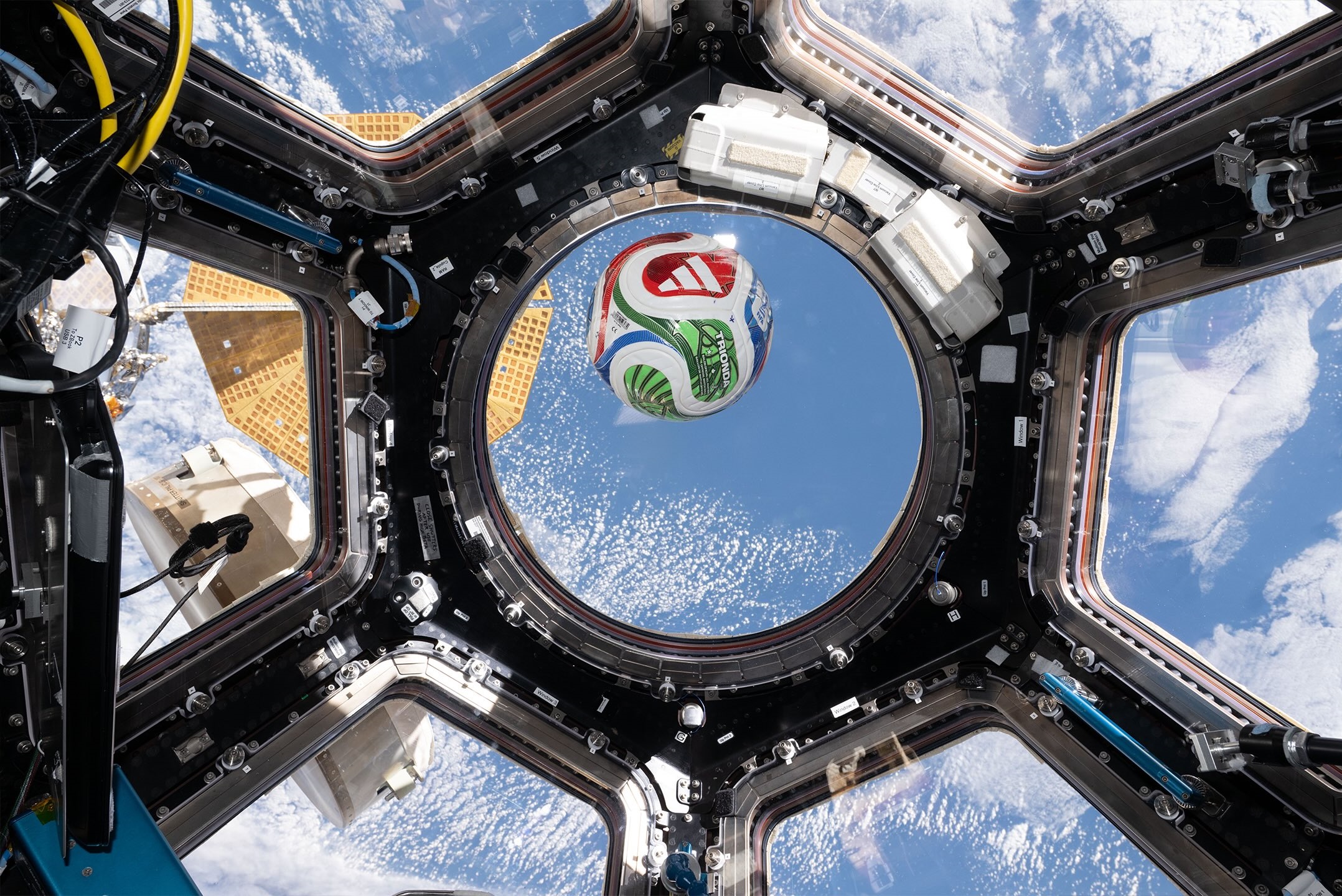
TRIONDA, developed by Adidas for the 2026 FIFA World Cup, is already regarded as one of the most technologically advanced footballs ever produced. The ball features a groundbreaking four-panel design intended to improve flight stability and control, along with a built-in 500Hz motion sensor that delivers real-time tracking data to match officials and VAR systems.
The name “TRIONDA” combines the concept of “three waves,” symbolizing the three host nations of the 2026 FIFA World Cup — the United States, Canada, and Mexico. Its design incorporates colors and national symbols representing all three countries.
As preparations for the tournament continue, the ball’s journey beyond Earth highlights the growing intersection of sports, technology, and scientific research. What begins as a football innovation could ultimately provide valuable insights for both the beautiful game and future space missions.