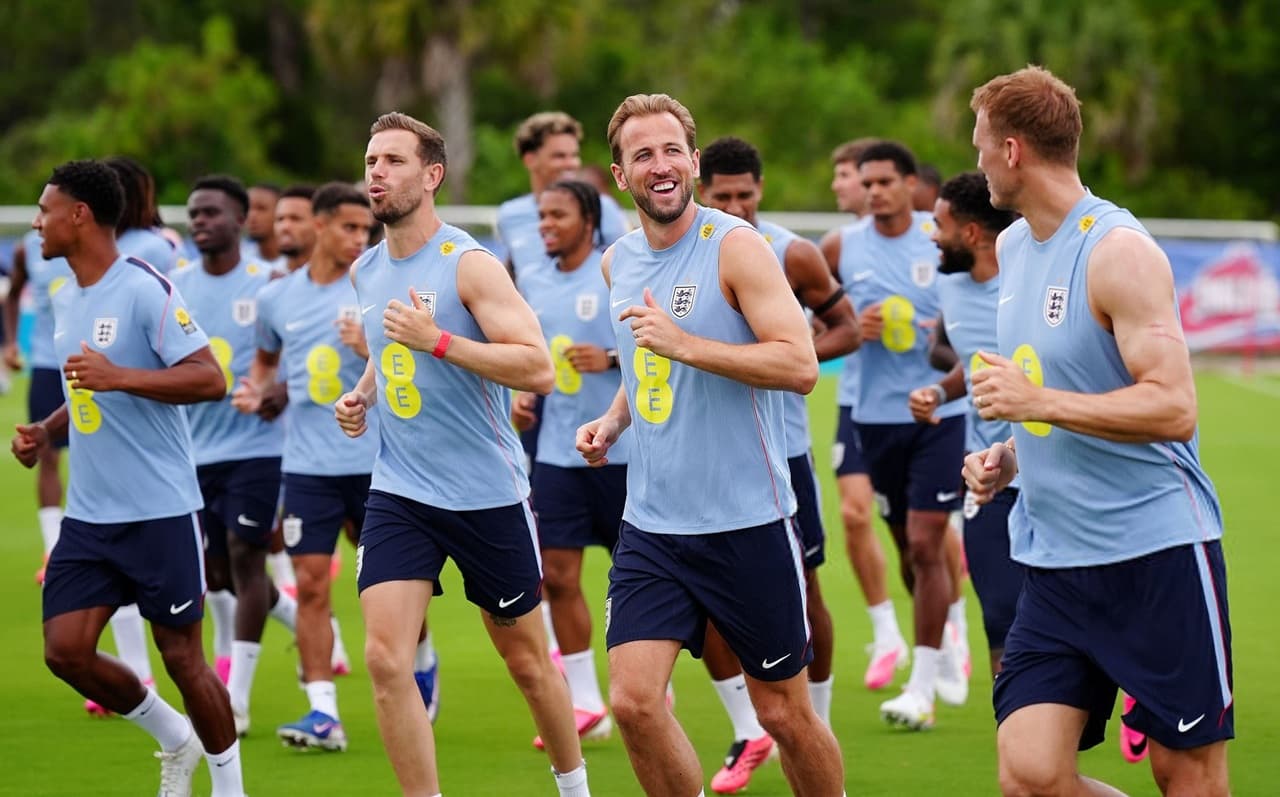
Harry Kane and the lads face freak thunderstorms, hurricane-force winds and floods as the World Cup braces for a potentially devastating weather bomb.
Rising sea temperatures have turbocharged the volatile El Niño eco-system that dominates the climate across the whole of North and Central America.
And experts say searing heat, stifling humidity — then biblical rain swept in by super-strong gusts — could result in what has been dubbed Godzilla El Niño.
Skipper Harry and the rest of the Three Lions squad will tomorrow fly into their long-term tournament base in Kansas City — the centre of the US “Tornado Alley”.
An overnight tornado watch was already in force there yesterday before a storm front skirted the centre of the city.
It was downgraded into a still-dangerous squall delivering rotating winds. Another thunderstorm is on the way.
Dr Daniel Swain, climate scientist at the University of California Agriculture and Natural Resources, warned: “We’ve never experienced a strong or very strong El Niño event amid pre-existing conditions that were this warm globally.
“It would not be surprising to see some unprecedented global impacts by in 2026 into 2027 in terms of flood, drought, and wildfire-related extremes.”
Prof Adam Scaife, Head of Long-Range Forecasting at the Met Office, said: “Predictions have been signalling for some time that this latest El Niño is likely to be a significant event — perhaps one of the most intense on record.
“It has the potential to bring severe impacts to a number of regions of the world as the event unfolds.”
This year’s World Cup will be like no other as a record-breaking 48 nations compete to lift football’s biggest prize.
England manager Thomas Tuchel is hoping to finally bring football home after a 60-year drought.
But footballing legends Lionel Messi and Cristiano Ronaldo have other plans in what will likely be their final World Cup appearance.
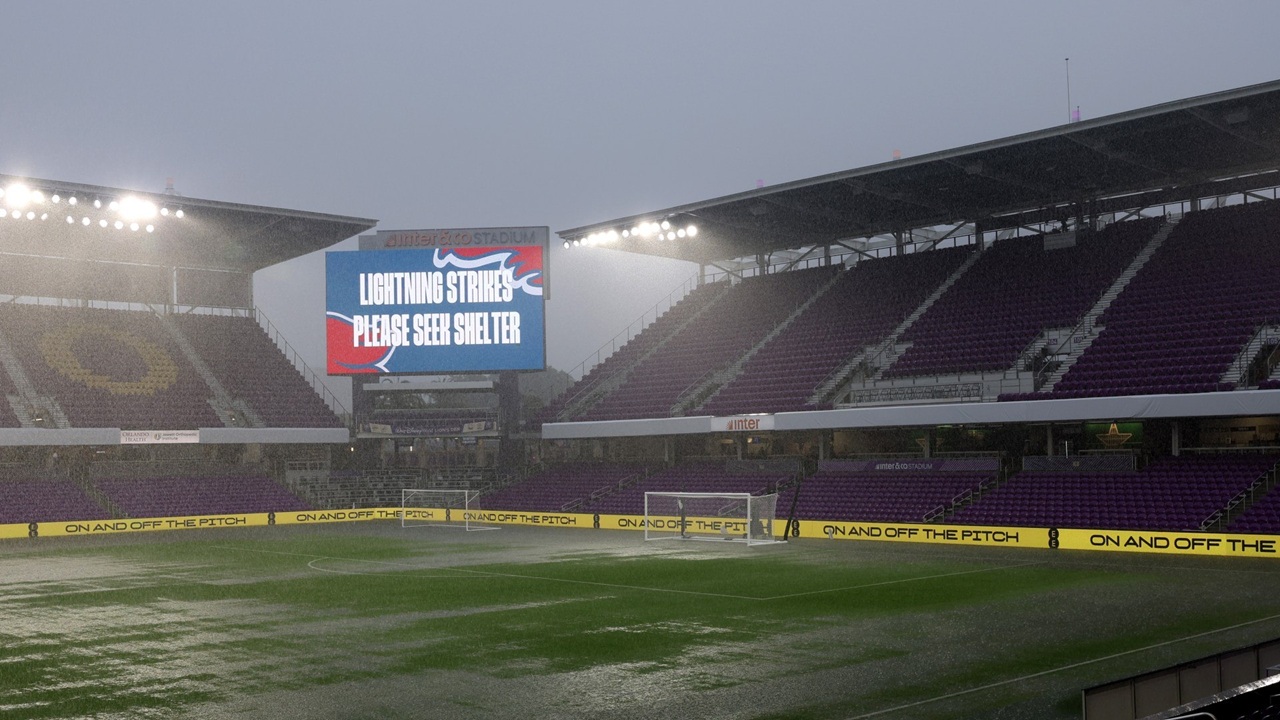
Thomas Tuchel’s 26-man squad got a taste of what could be to come on Wednesday.
The final warm-up game against Costa Rica in Orlando, Florida, was delayed for an hour after a severe tropical storm flooded the pitch and triggered spectacular thunder and lightning.
They will now stay at the Inn at Meadowbrook Hotel in Prairie Village — and will be drilled on how to take cover if a tornado strikes.
An England insider said last night: “The squad are all determined and extremely focused and it will take more than a hurricane to blow them off course.”
They added: “The team will follow whatever advice is given regarding threats posed by the weather and are totally cool about it.
“They will be made aware of the tornado protocols but that entirely normal in this part of the world and millions of people live with it.”
However experts say the Godzilla El Niño poses an even bigger danger than usual during the tournament, which runs until the July 19 final in New Jersey.
The shifting system will reduce the risk of dangerous twisters in Kansas — but increase the chances of the team camp being blasted by dreaded Derecho hurricane-force storms.
Derecho tempests are massive, lengthy, straight-line windstorms with intense “macrobursts” of winds above 100mph over vast areas.
Violent summer thunderstorms are also more likely following intensely hot and humid spells with lightning and flash floods.
Climatologists predicted games could be postponed or may have to be abandoned.
They said America’s entire east coast being blasted during the tournament.
The weather front threatens to be so severe that England may even be better off finishing runners-up in Group L — and play in knockout games in Canada rather than boiling Mexico.
Extreme heat and humidity is also expected to slow the pace of games and favour more accustomed South American teams.
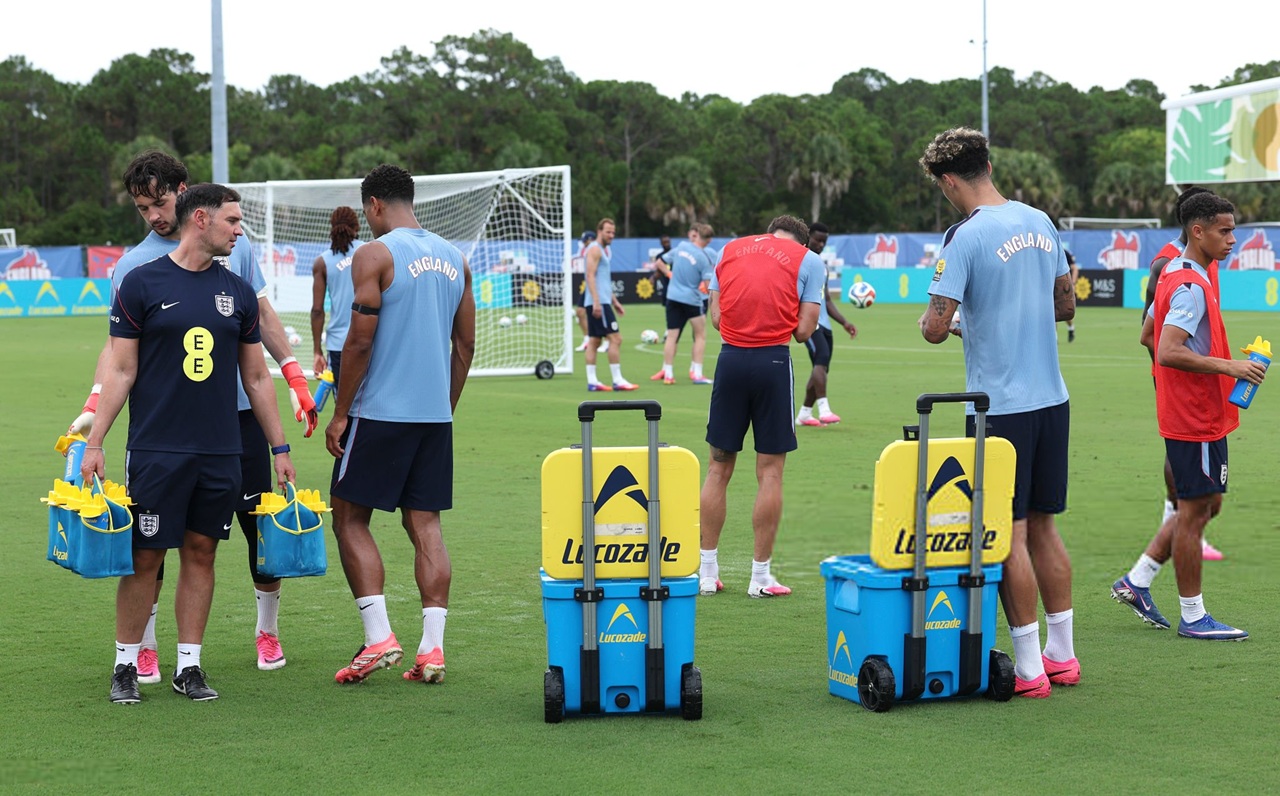
It does seem certain that at least some of the 104 World Cup matches will be disrupted by strict US government rules on playing sport during thunderstorms.
FIFA is bound by law to immediately remove footballers from the field of play if a lightning strike is detected within eight miles of a match venue.
Referees will be forced to start a 30minute reset clock before allowing players to return.
But if another strike is detected within the radius at any point, the clock resets completely back to zero, potentially forcing games to last for hours.
The World Cup weather warning came amid alarm with global temperatures already running at least 1.4C above pre-industrial levels.
Strong El Niño effects layered on top are feared to be building a freak climate system never experienced in modern history.
Prof Scaife said 2027 said: “It is highly likely that the El Niño will cause a temporary spike in global annual temperature with the residual heat potentially making next year the hottest in the global series from 1850.”