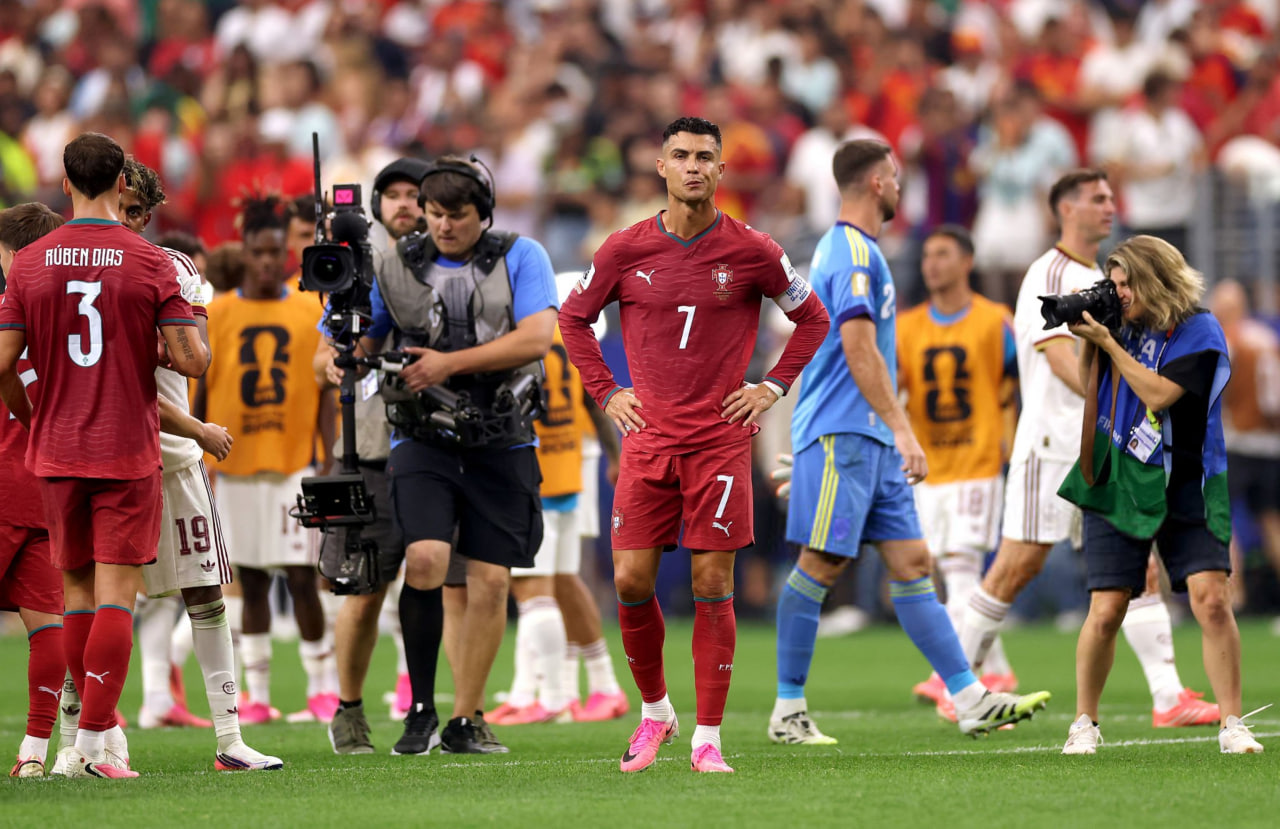
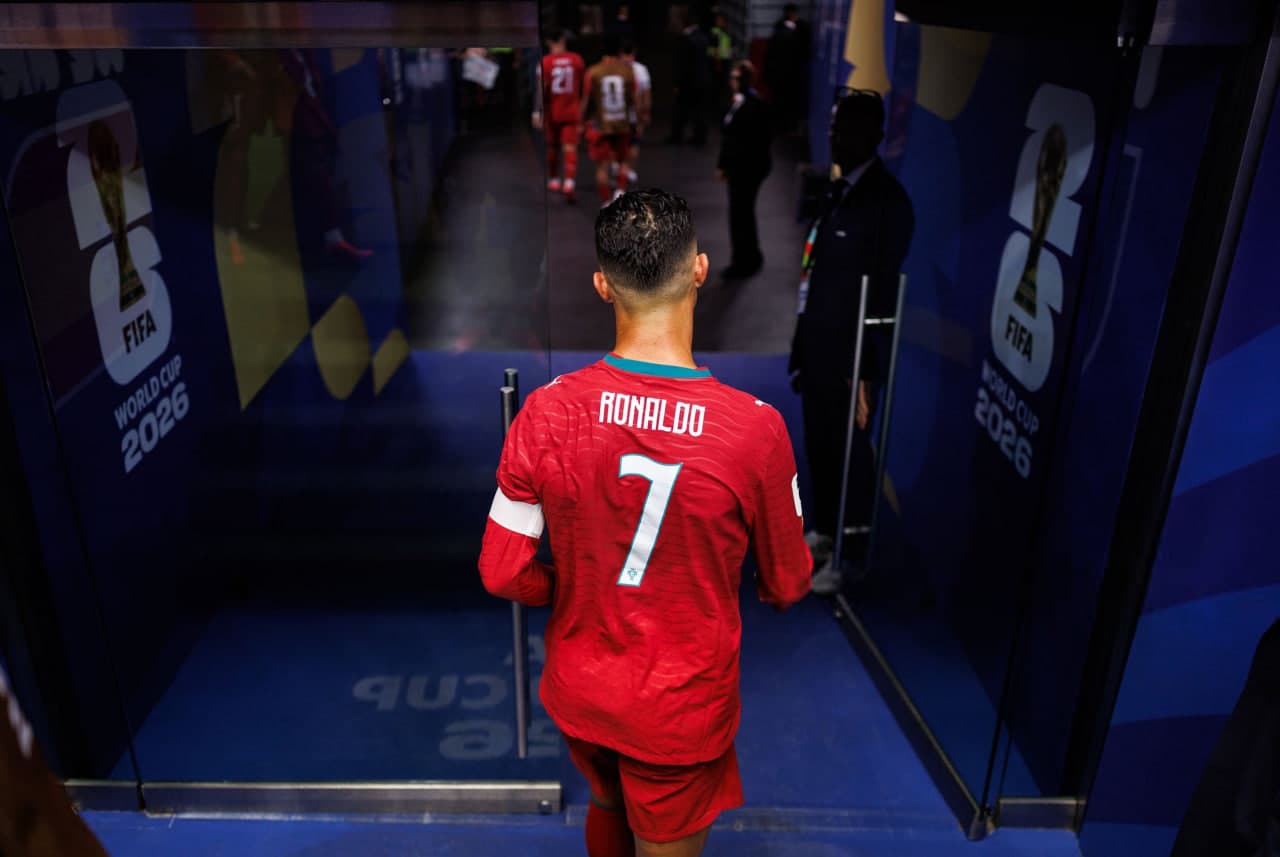
With his hands on his hips at the final whistle, Cristiano Ronaldo had tears in his eyes as he stared blindly into the distance and contemplated the sobering reality of defeat.
It was the moment that he knew his World Cup dream was finally over — a moment that should have arrived four years ago in Qatar, when Portugal were beaten by Morocco in the last eight. Instead, the Ronaldo show rolled on for one last tour on football’s biggest stage. Realistically, there was never going to be a grand farewell.
Against Spain, Ronaldo looked, sadly, what he is: a 41-year-old legend of the game who is well past his best. It was a man trying — and failing — to hold back the hands of time, while clinging to the hope that he might somehow get to lift the one major trophy that has eluded him.
Ronaldo touched the ball 19 times against Spain. To put that figure into context, Mikel Oyarzabal, the Spain striker, was the next lowest starter with 35 touches.
To say that Ronaldo was peripheral would be generous. For long periods it felt as though this last-16 World Cup game was taking place around him. A giant of the game — arguably the greatest goalscorer ever — was reduced to the role of an on-field spectator. Not so much a support act, as an act.
None of that particularly came as a shock based on Ronaldo’s performances at this World Cup. He was kidding nobody when he screamed “I’m back, I’m back!” into a television camera in Houston, Texas, two weeks ago.
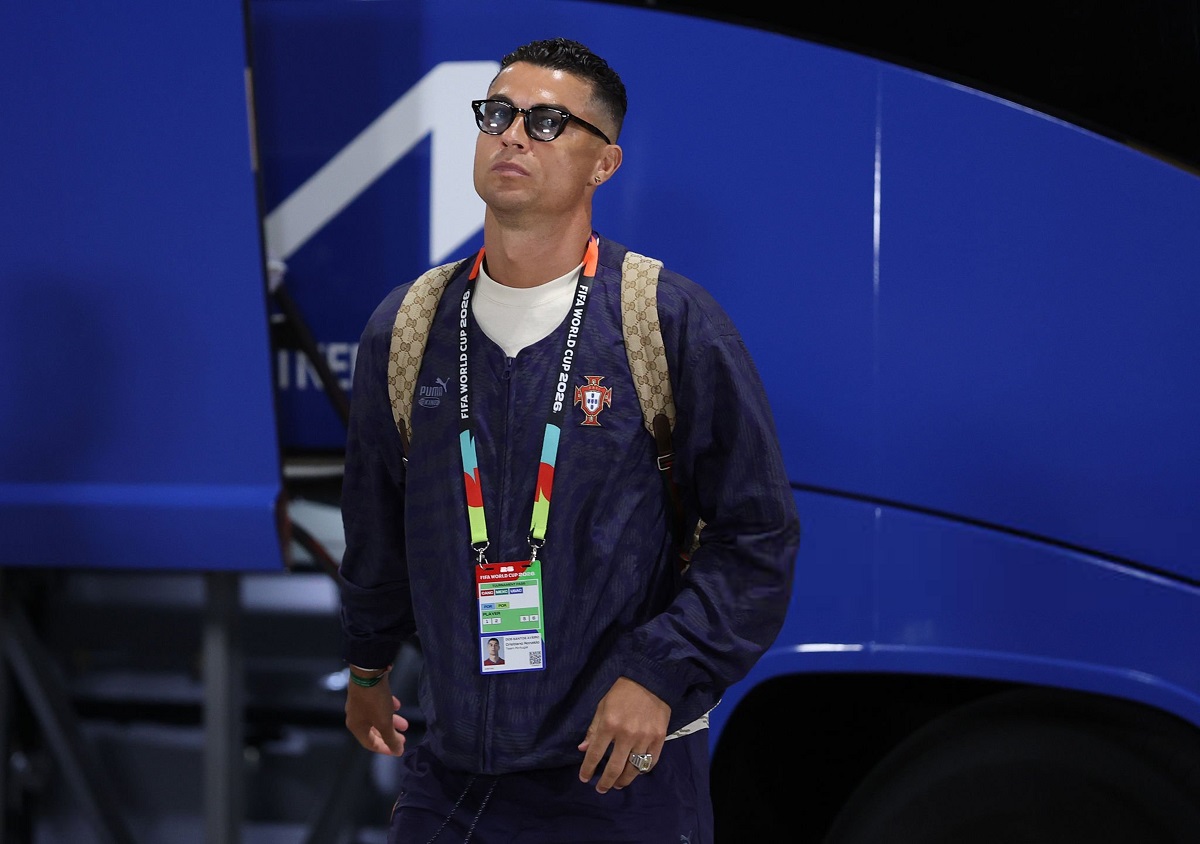
Or at least he was kidding nobody who didn’t allow their judgement to be clouded by a couple of goals against Uzbekistan and who can remember what Ronaldo in his pomp looked like — a man capable of producing moments of breathtaking brilliance with astonishing regularity and winning games single-handedly.
As the clock ticked down against Spain, and the game remained goalless and the substitutes’ board was raised, you kept wondering if it would be Ronaldo’s number. Portugal looked blunt, desperate for fresh attacking impetus and a focal point up front to stretch a Spain defence that had been far too comfortable for far too long.
Pedro Neto made way. Vitinha departed. Joao Felix was substituted. Joao Cancelo came off too. But not Ronaldo, the oldest player on the pitch by a distance and a man who, curiously, played more minutes in the group stage than any other member of the Portugal squad.
That Roberto Martinez, Portugal’s coach, chose to leave Ronaldo out there until the bitter end against Spain came as no surprise. Fernando Santos, Martinez’s predecessor, had the courage and conviction to pick a starting XI without Ronaldo at the last World Cup. Martinez, in contrast, indulged him.
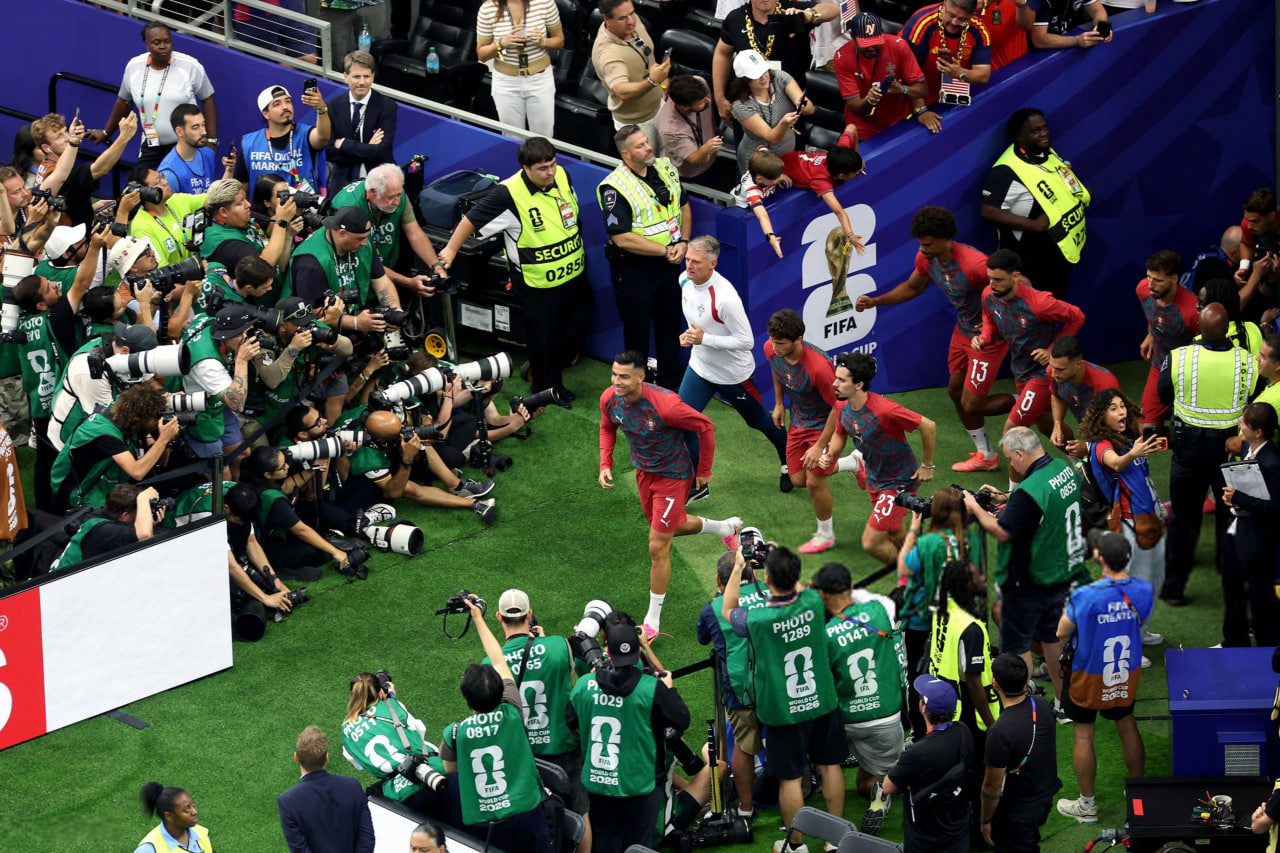
Don’t be fooled by the substitution that Martinez made in Toronto, when Ronaldo was withdrawn against Croatia. That was an easy decision to make given that Portugal were getting overrun in midfield and Goncalo Ramos had been introduced in search of the equaliser that arrived courtesy of Ronaldo’s penalty.
Leaving two strikers on the pitch in that scenario would have been a failure in management. It was a matter of when, not if, Croatia scored again. Ruben Neves came on in Ronaldo’s place, Portugal regained a foothold and their forgotten man came to the rescue.
“When you need a late goal, you can call Goncalo Ramos,” the Portugal match-winner said afterwards.
But Martinez never wanted to dial that number at Ronaldo’s expense.
Some will wonder whether Ronaldo should have put Martinez in this position in the first place — and it’s a fair question to ask.
Ronaldo’s contribution to Portuguese football is impossible to overstate. He is the finest player to represent his country — 146 international goals in 233 matches — a five-time Ballon d’Or winner and one of the all-time greats. That status won’t change on the back of this World Cup and it would be foolish to suggest it should.
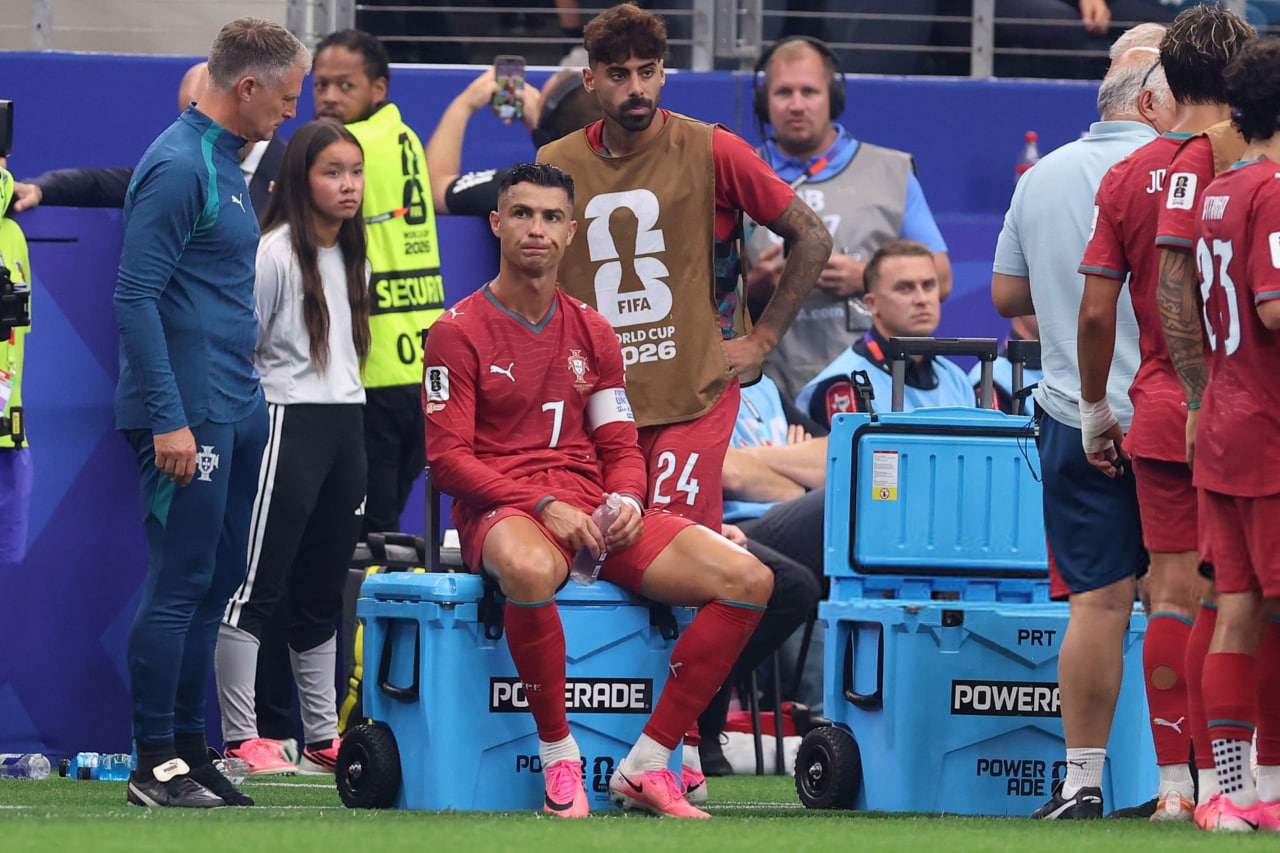
The same goes for his legacy, which some believe has been tainted by one World Cup too many. In years to come, they won’t talk about Ronaldo touching the ball seven times in the second half in Dallas; instead, they will talk about the man who went toe-to-toe with Lionel Messi for the best part of a decade.
But that doesn’t mean there aren’t questions to answer now, not least because it’s hard to escape the feeling that playing in this World Cup strayed into becoming a personal crusade for Ronaldo rather than one that benefitted Portugal.
He ticked a box by going down in the history books as the only player to score in six World Cups and another when he registered his first knockout goal in the tournament. Ronaldo eclipsed Eusebio as Portugal’s greatest World Cup goalscorer. But what did any of that mean for the team?
Ordinarily, that would be one for Martinez to answer but the coach has departed, leaving the inquest to take place without him. The rights and wrongs of Ronaldo’s involvement will be part of that narrative but Portugal’s failure at the World Cup goes deeper.
A squad replete with gifted players underperformed individually and collectively. It felt as though Bruno Fernandes, the standout player in the Premier League last season, allowed this World Cup to pass him by. Vitinha, exceptional for Paris Saint-Germain and widely regarded as one of the best midfielders in the world, looked short of his best — fatigued, perhaps.
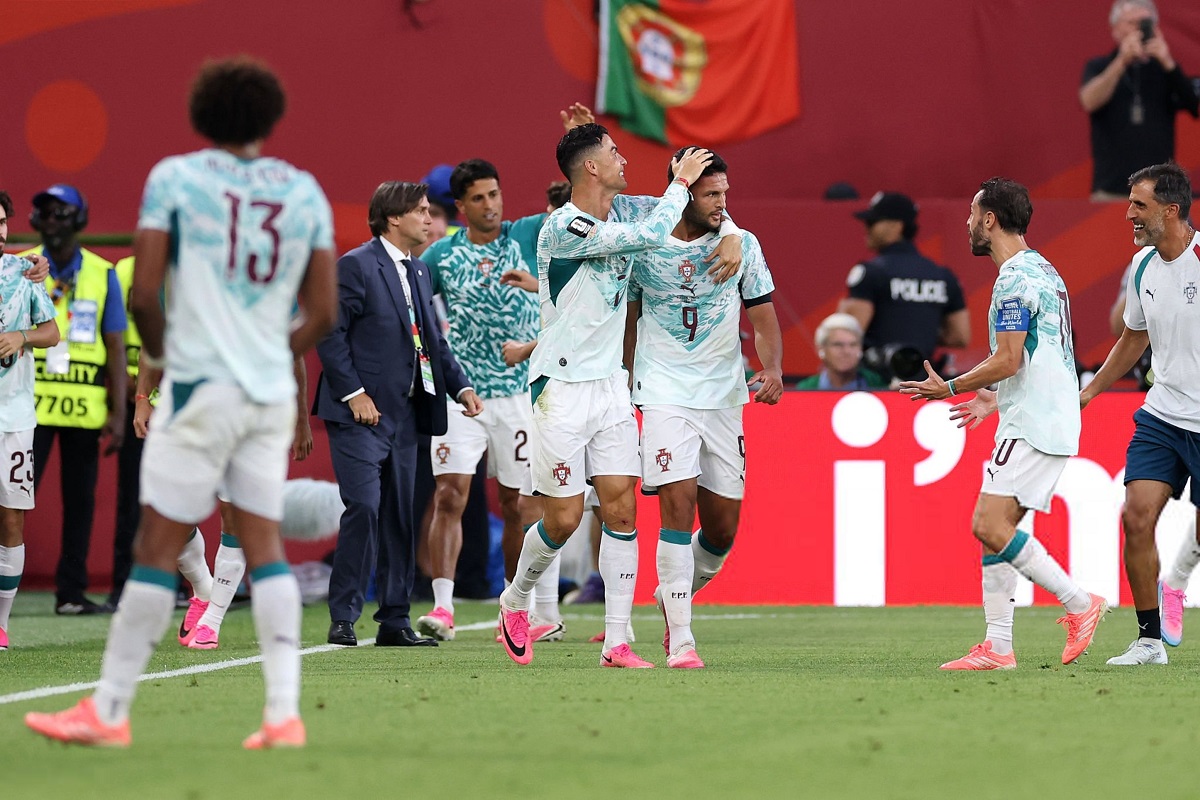
Indeed, Portugal were a disjointed and dysfunctional team — poor against DR Congo in their opening game, fortunate not to lose to Colombia in their final group match, and indebted to a combination of the dial-a-sub Ramos and VAR intervention for their victory over Croatia.
As for Ronaldo, he knew this moment was coming. The previous day, he held court for the best part of half an hour, digging out his critics in one breath and thanking them for motivating him in the next, while saying that he had made peace with the fact that his life was complete irrespective of what happened in the United States.
Twenty-four hours later, as journalists clambered over one another in the mixed zone to get an audience with Ronaldo at a World Cup for the last time, he repeated that message.
“For me, the biggest title the national team won was the European Championship in 2016. I sincerely think it had the same significance as the World Cup,” Ronaldo said. “So for this reason I repeat, I have a clear conscience and I gave it my all — that’s it. Tomorrow will be a new day and life goes on.”