

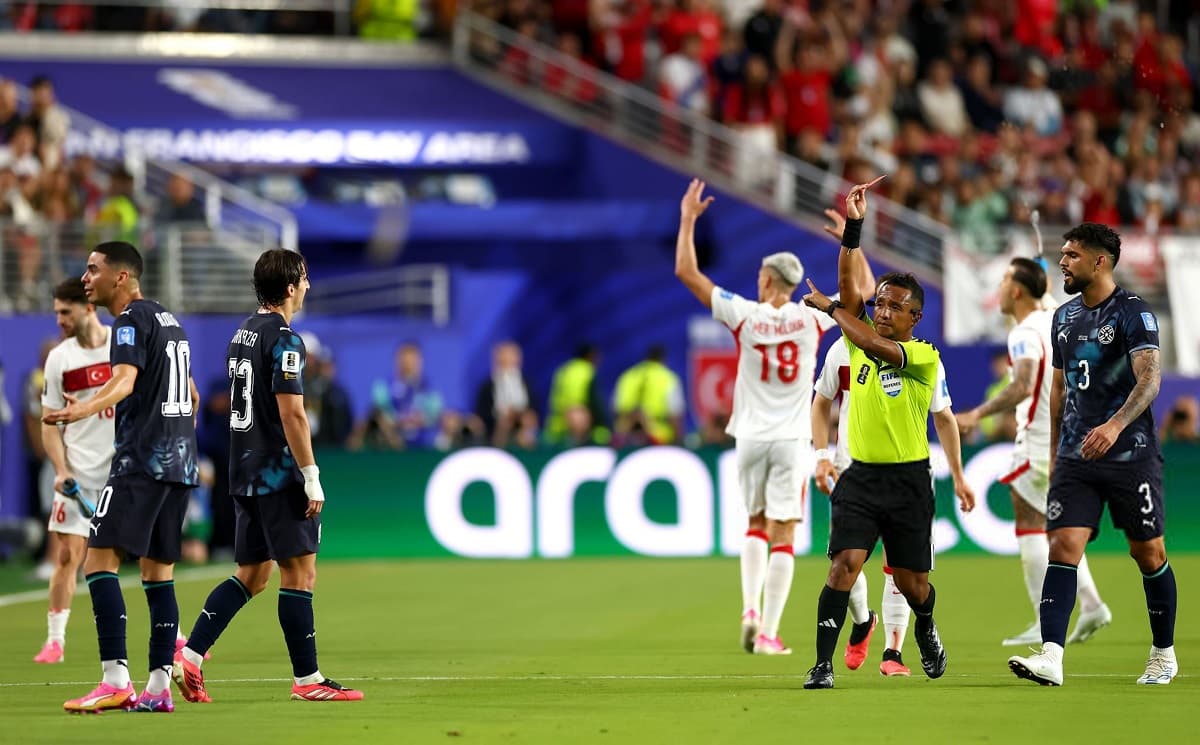
For the first time since the introduction of FIFA’s latest disciplinary measures, a player has been sent off for speaking to an opponent while covering his mouth.
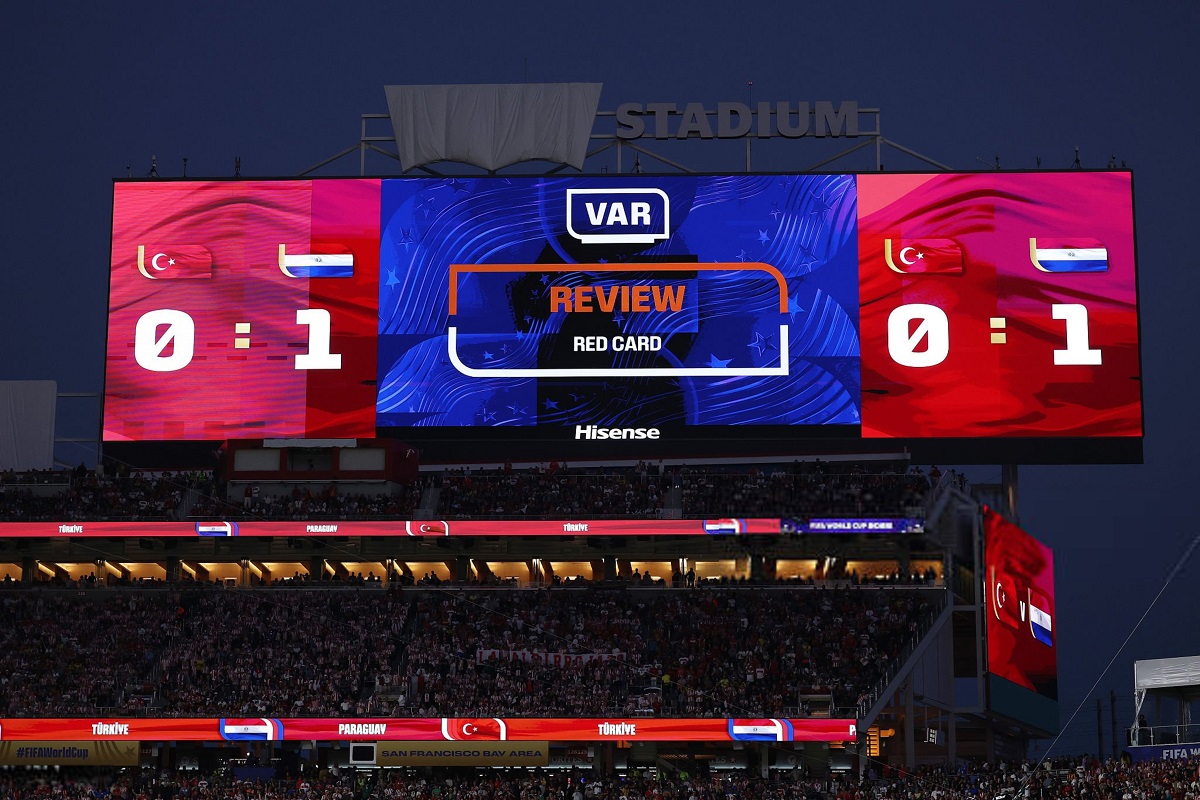
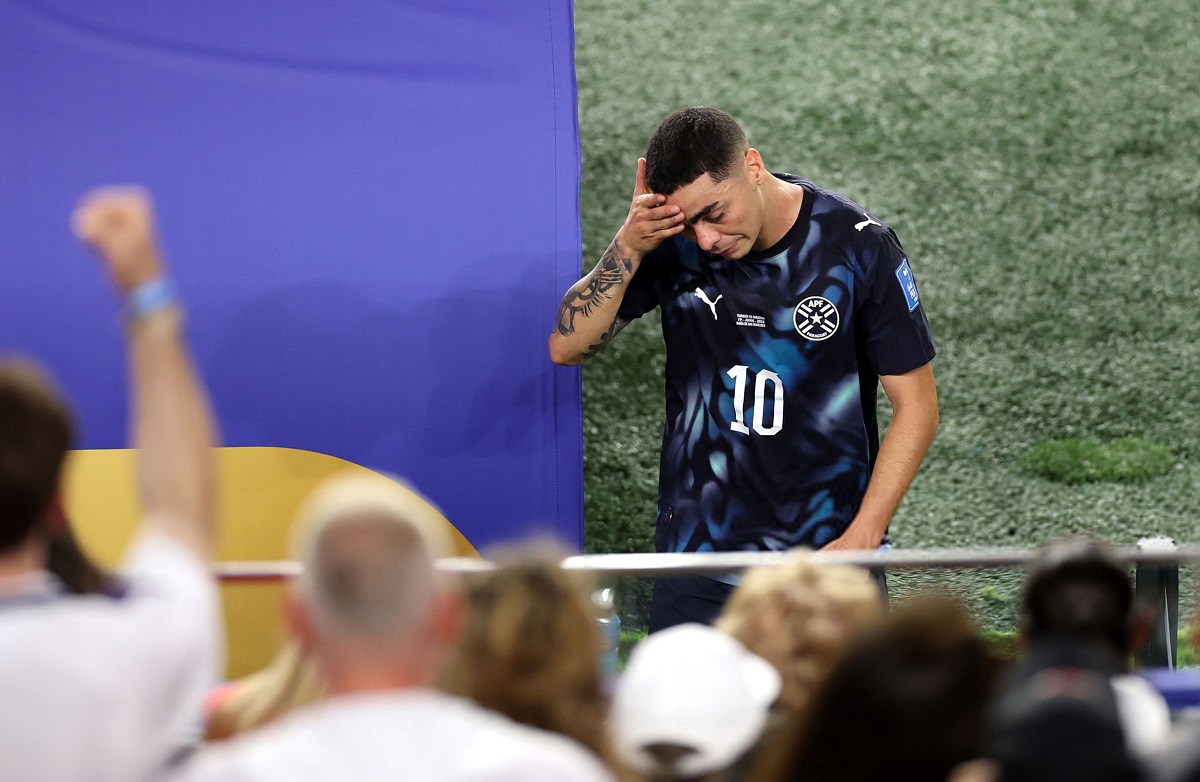
A controversial moment unfolded during a FIFA World Cup 2026 group-stage match between Paraguay and Turkey, when Paraguay’s Miguel Almirón became the first player in history to be sent off under FIFA’s newly introduced “covered mouth” disciplinary rule. The incident left Paraguay down to 10 men in a high-stakes clash against Turkey.
The decision has sparked immediate global debate, with questions being raised about how the rule is interpreted and whether it may lead to further controversial dismissals in future matches.
What Is the New FIFA Rule?
As part of a broader effort to combat racism and improve transparency on the pitch, FIFA has introduced a regulation allowing competition organizers to sanction players who cover their mouths while engaging in confrontational situations with opponents.
Under the new guidelines, a player who deliberately covers his mouth during an altercation or verbal exchange with an opponent may be shown a red card at the discretion of the competition organizer. The measure is designed to discourage players from concealing potentially abusive, discriminatory, or inappropriate comments from officials, cameras, and disciplinary bodies.
When Was the Rule Introduced?
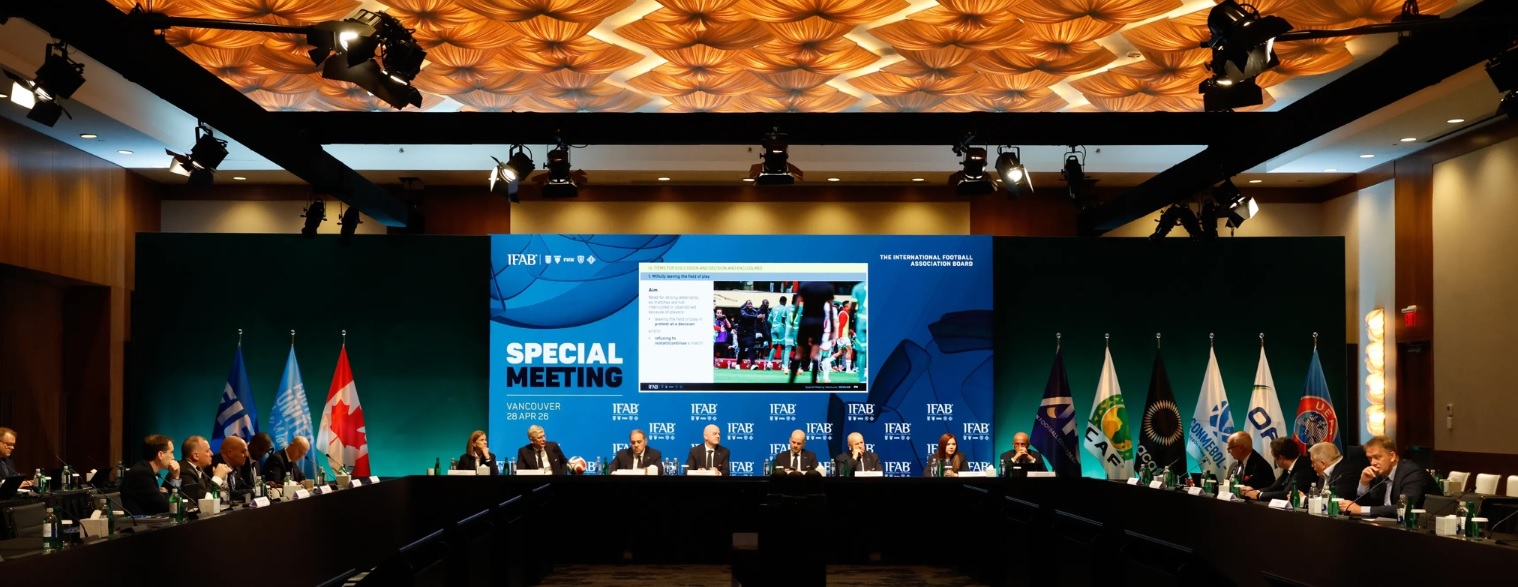
The regulation was reportedly approved during a recent FIFA Council meeting held in Zurich, as part of a broader package of disciplinary and anti-discrimination reforms. While the governing body has not publicly emphasized a single fixed launch date in detail, the rule is understood to have been formally adopted ahead of the 2025–26 regulatory cycle, when the new disciplinary framework came into effect across FIFA competitions.
Almirón’s dismissal is believed to be the first recorded red card issued under the specific “covered mouth” provision, making it a landmark case in the implementation of the new rule.
Additional Measures Announced by FIFA
FIFA has also strengthened its stance on protests against refereeing decisions.
Under the updated regulations:
Players who leave the field of play in protest at a referee’s decision may be shown a red card.
Team officials who encourage or instruct players to leave the pitch can also face dismissal.
Any team responsible for causing a match to be abandoned will, in principle, forfeit the fixture.
A Potentially Game-Changing Precedent
The sending-off of Miguel Almirón is likely to become a significant reference point for future disciplinary cases. While supporters of the rule argue that it promotes accountability and helps combat racism, critics fear it could create further controversy if applied inconsistently.
With football entering a new era of stricter behavioural standards, all eyes will be on how governing bodies and referees interpret and enforce these regulations in the months ahead.