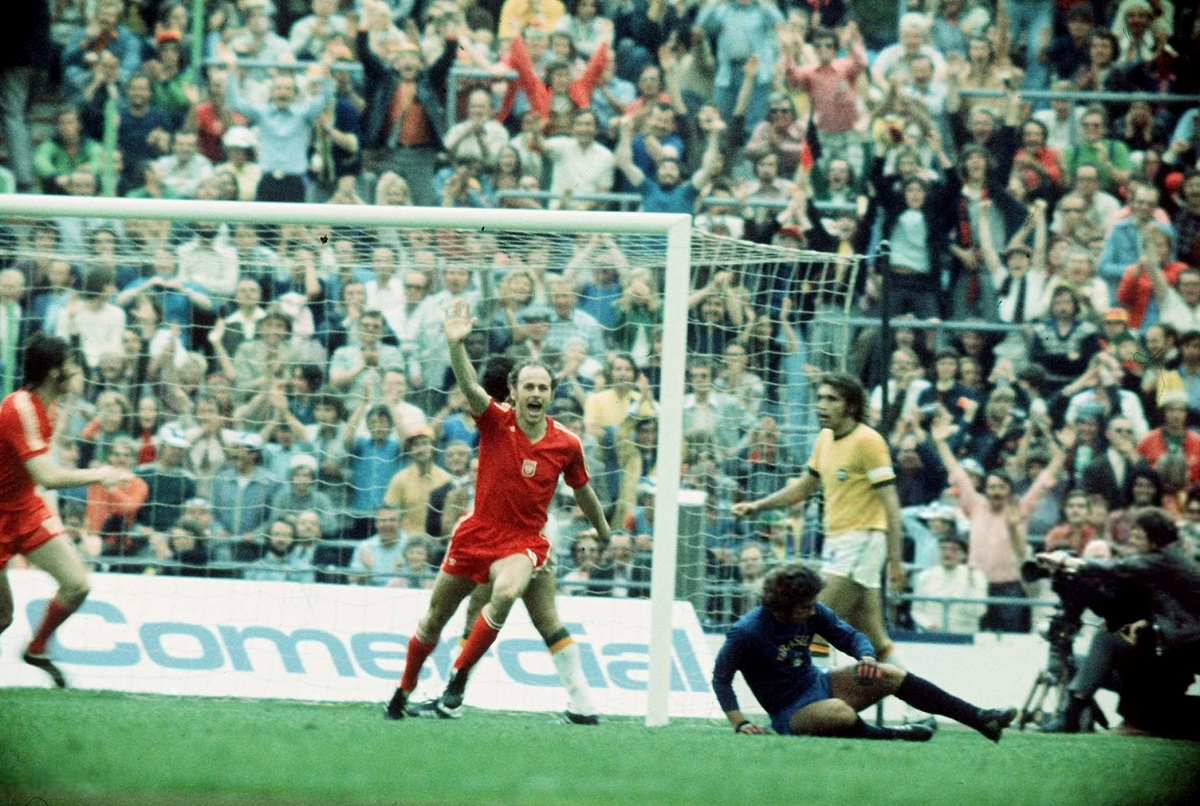
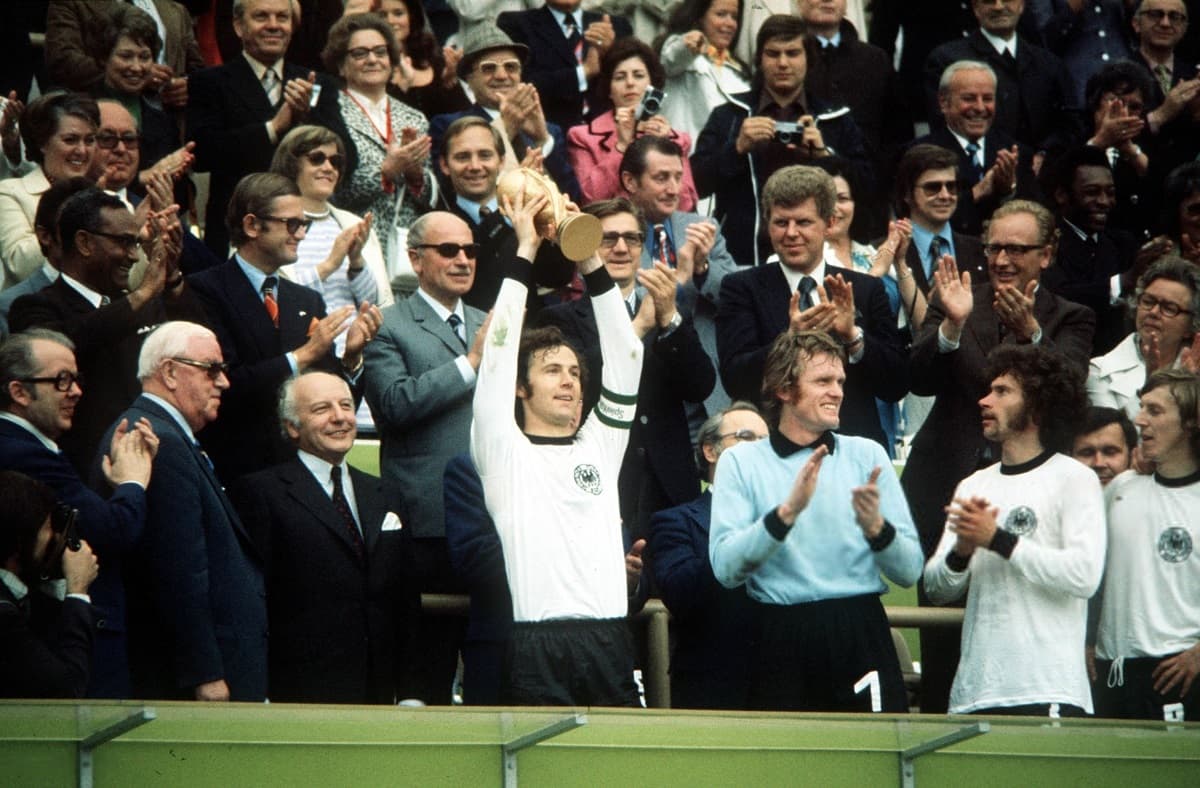
In 1974, West Germany claimed their second World Cup title in Munich after overcoming a brilliant Dutch side led by Johan Cruyff, in one of the most tactically significant finals in football history.
Historical Background
The 1974 FIFA World Cup was hosted by West Germany and marked a turning point in modern football tactics. It introduced the world to structured pressing systems and the evolution of positional play that would define decades to come.
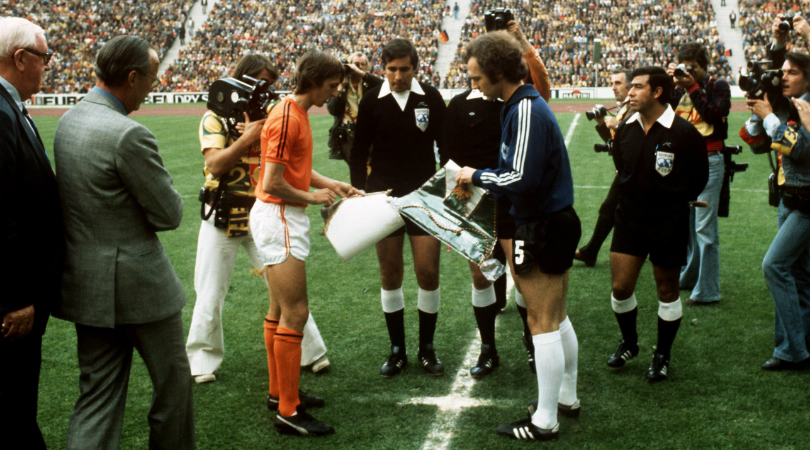
The tournament was defined by two dominant forces: West Germany, led by Franz Beckenbauer, and the Netherlands, led by Johan Cruyff and their revolutionary “Total Football” philosophy. Their eventual meeting in the final became a symbolic battle of two football ideologies.
The Road to Glory: Cruyff’s Netherlands vs Beckenbauer’s West Germany in Munich
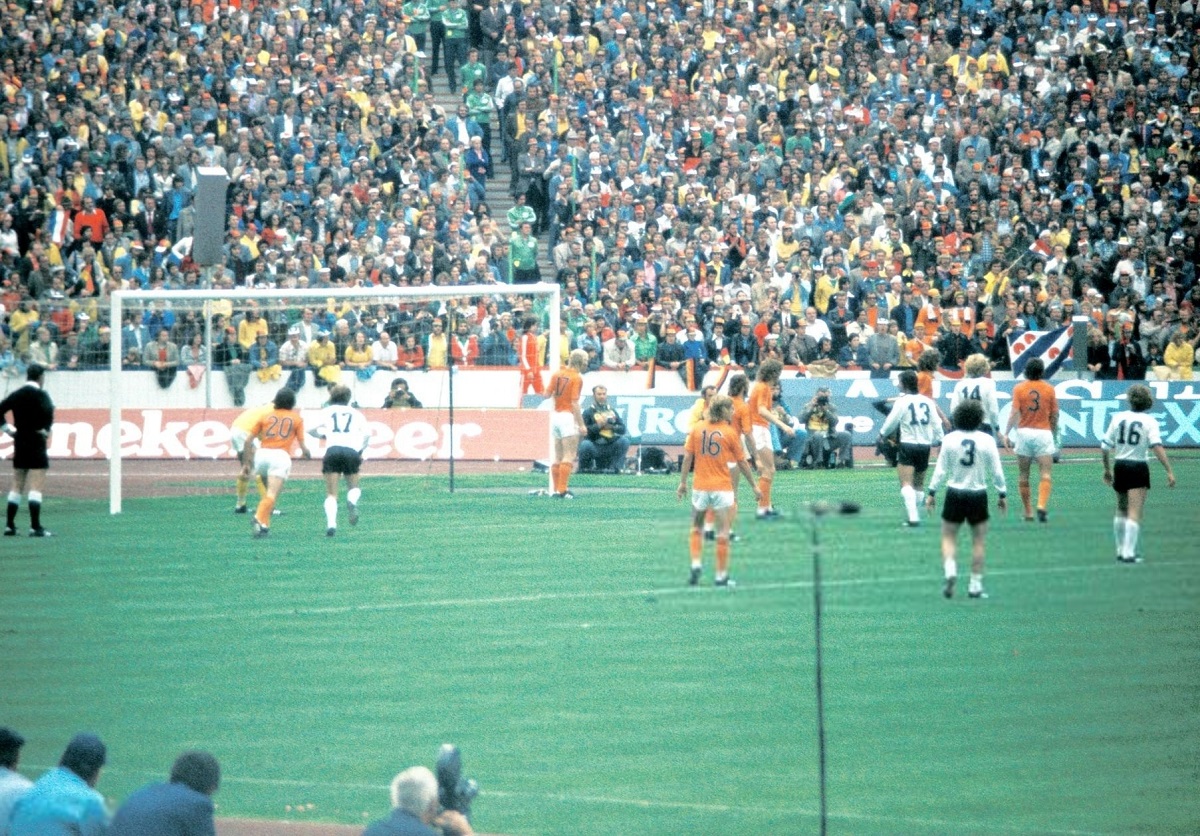
The Netherlands entered the final as the most admired team of the tournament, dazzling opponents with fluid movement and positional interchange. They took an early lead in the final through a penalty before West Germany had even touched the ball in open play.
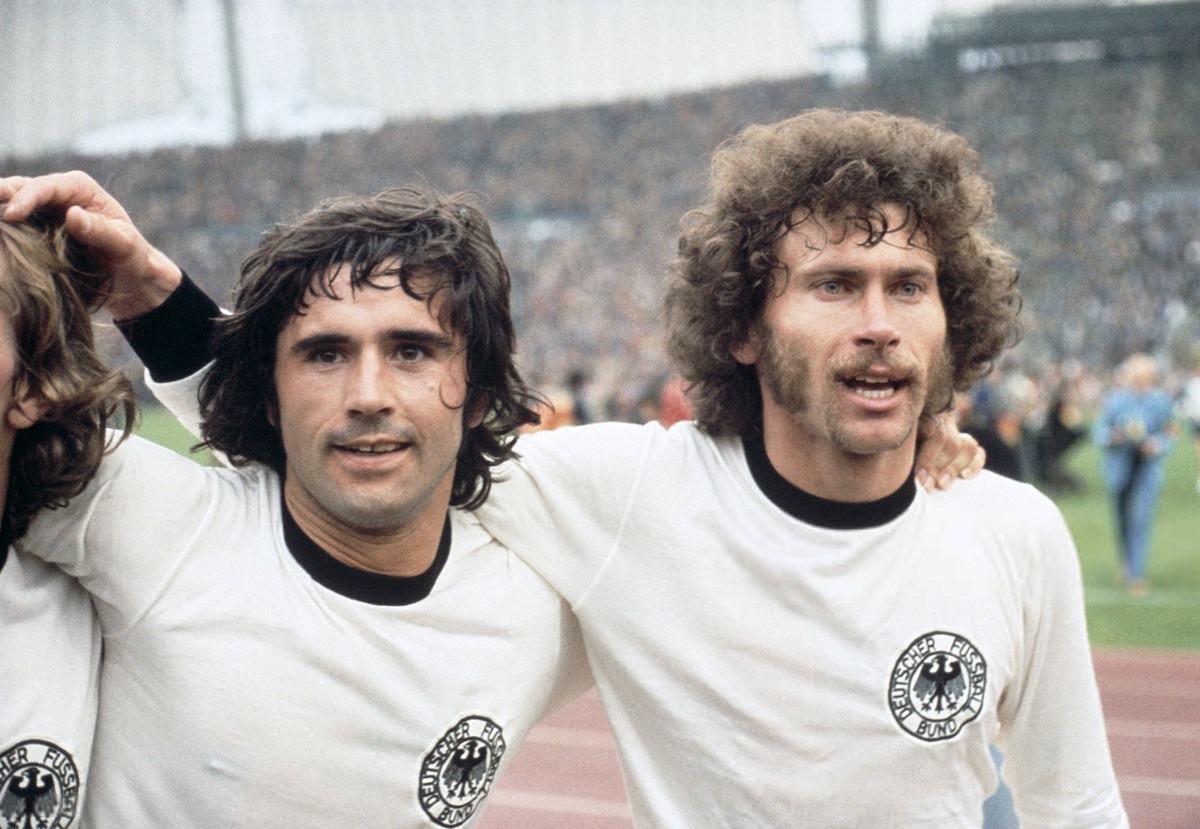
However, West Germany responded with discipline and resilience. Paul Breitner equalized from the penalty spot, and Gerd Müller scored the decisive goal before halftime.
In the second half, West Germany controlled the match with tactical discipline, neutralizing Cruyff’s influence and managing the tempo effectively. Despite Dutch creativity and pressure, they could not break through.
West Germany won 2–1, lifting the trophy in Munich and cementing their place among football’s elite.
Interesting Facts from the 1974 World Cup
It was the first World Cup to feature the modern “FIFA World Cup Trophy”
The Netherlands introduced “Total Football,” revolutionizing the game
West Germany won their second World Cup title
Johan Cruyff was widely regarded as the standout player of the tournament despite finishing runner-up
Top Scorer and Best Player
Grzegorz Lato (Poland) – Top Scorer (7 goals)
Johan Cruyff (Netherlands) – Best Player of the Tournament