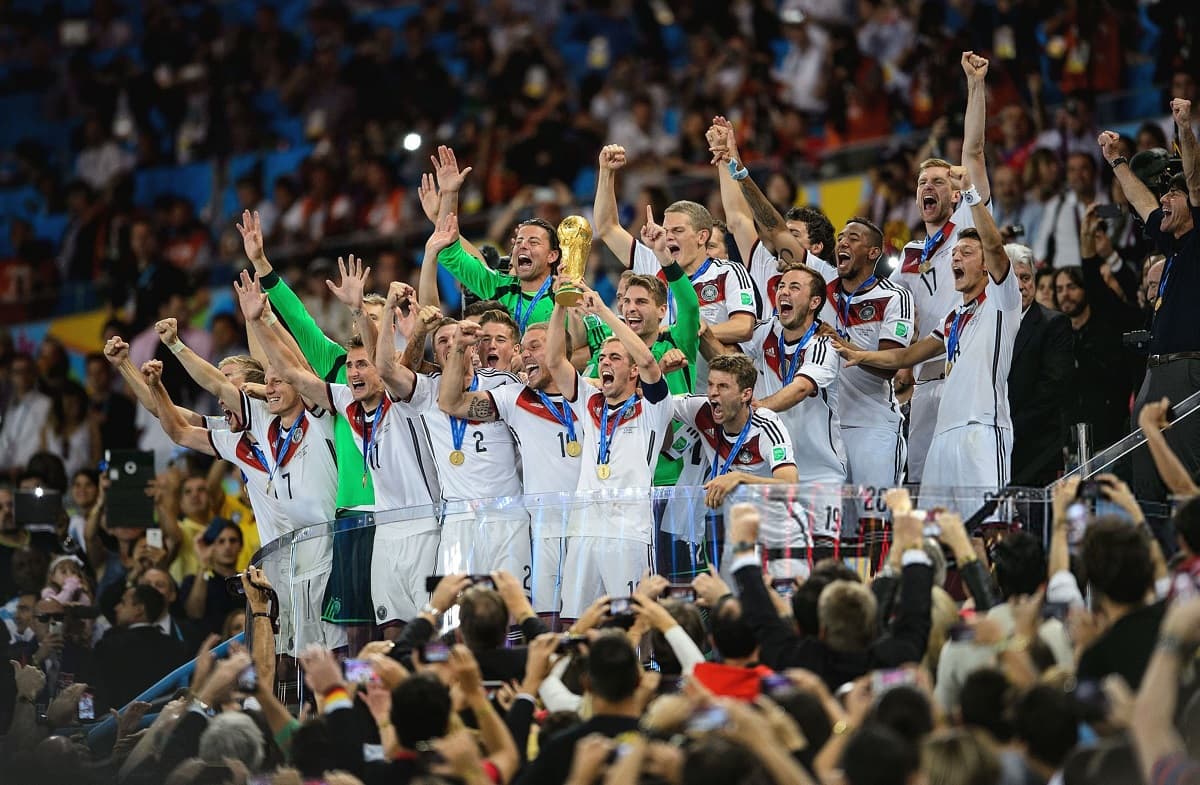
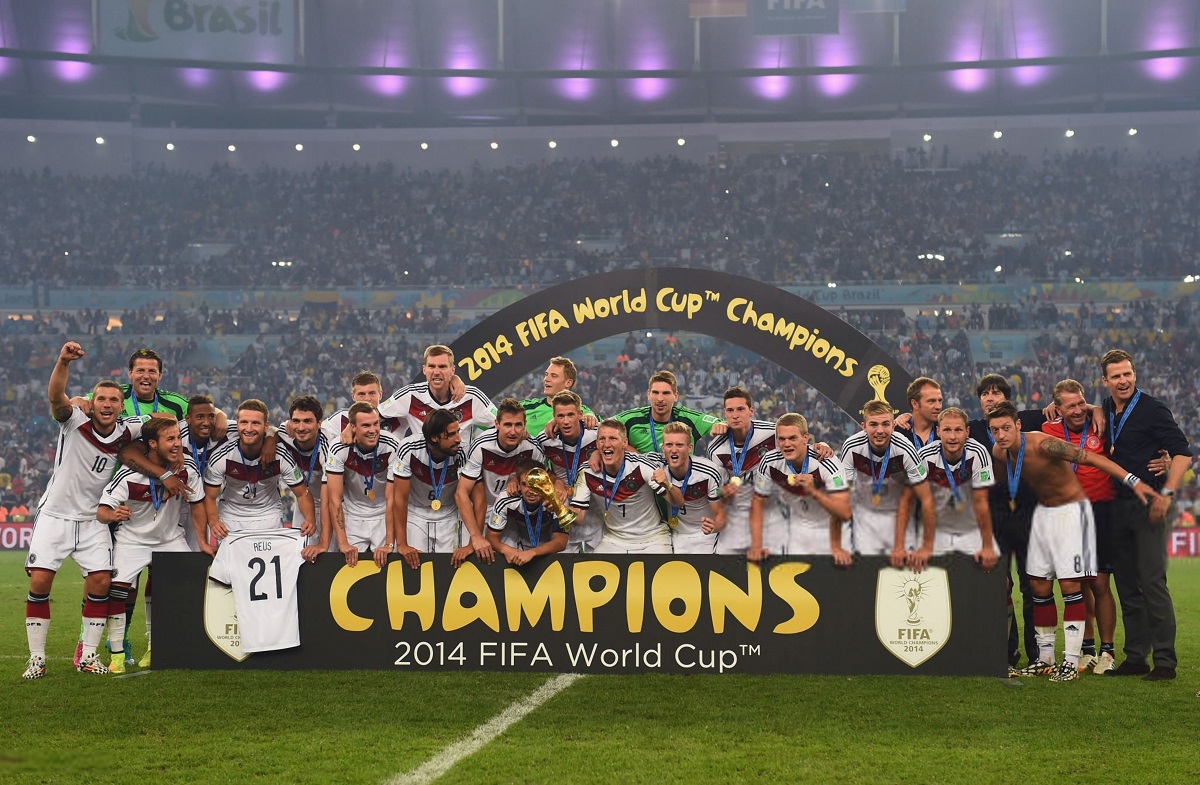
In 2014, Germany conquered the Maracanã to lift their fourth World Cup trophy, as Mario Götze’s extra-time winner completed a tournament defined by tactical brilliance, depth, and ruthless efficiency.
Historical Background
The 2014 FIFA World Cup returned to Brazil for the first time since 1950, bringing football back to one of its spiritual homes.
The tournament featured enormous expectations for the host nation, while Germany arrived with one of the most complete squads in world football. Under coach Joachim Löw, Germany combined technical quality, tactical flexibility, and years of development into a team built to dominate.
Players such as Philipp Lahm, Thomas Müller, Toni Kroos, Manuel Neuer, and Miroslav Klose formed the core of a side entering its peak years.
The Road to Glory: Germany’s Historic Destruction of Brazil and Final Victory
Germany progressed confidently through the tournament, balancing attacking fluidity with defensive discipline.
Then came one of the most shocking matches in football history.
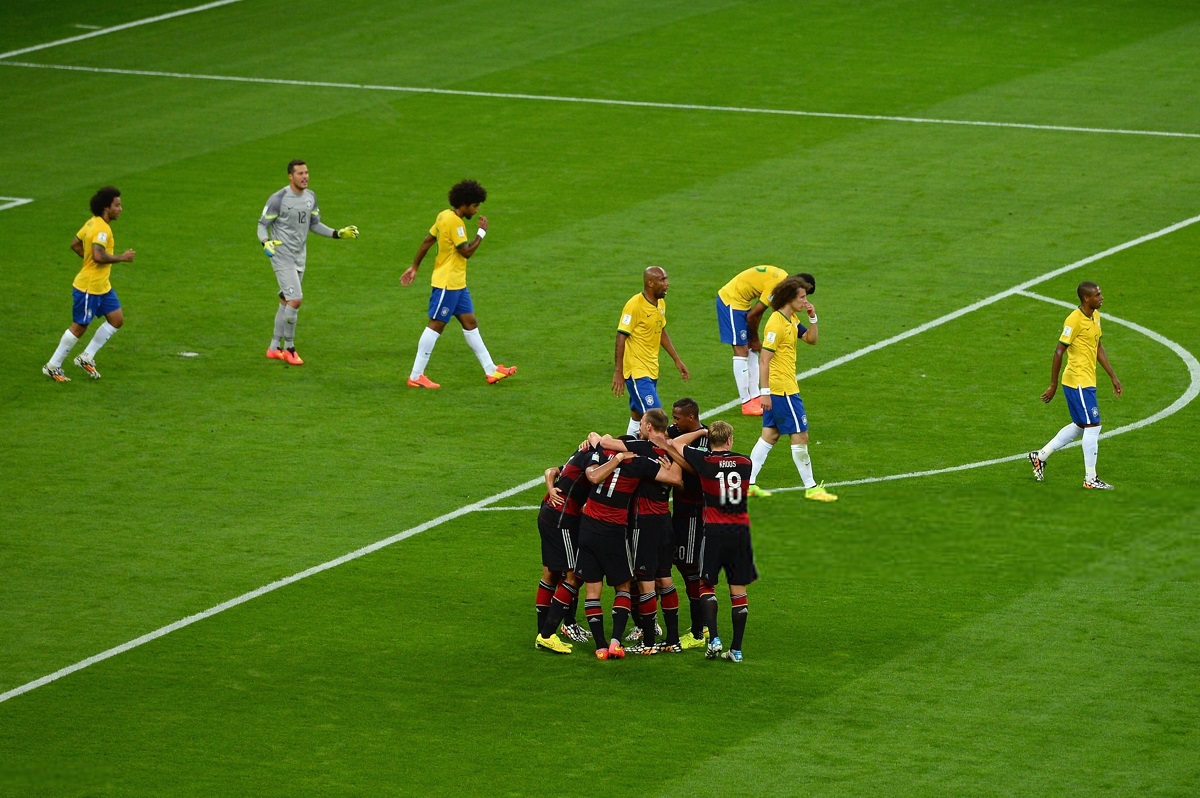
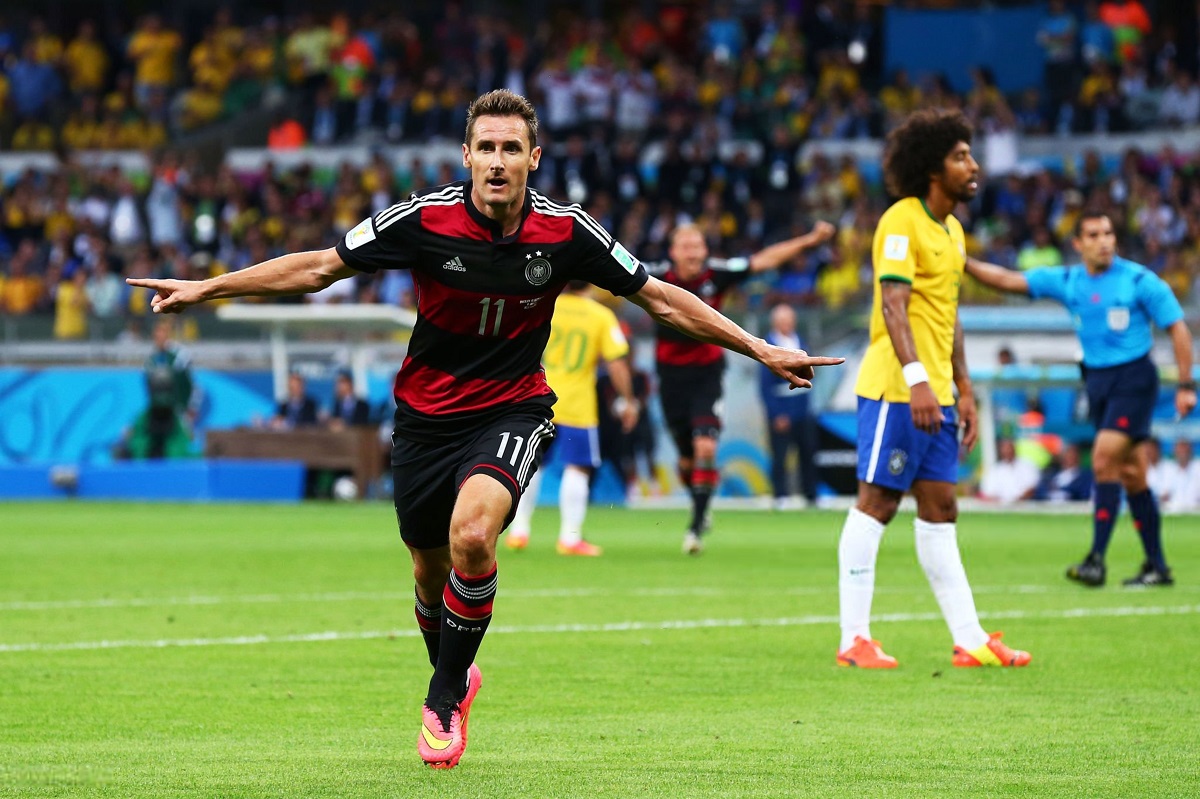
Facing Brazil in the semi-final at Belo Horizonte, Germany produced a ruthless performance that stunned the football world. Within just 29 minutes, Germany scored five goals, dismantling the hosts with devastating precision and movement.
Germany eventually won 7–1, handing Brazil their heaviest defeat in World Cup history and creating one of the tournament’s most unforgettable moments.
In the final against Argentina at the Maracanã, the match remained tense and balanced deep into extra time. Argentina missed several key chances before Germany found the breakthrough.
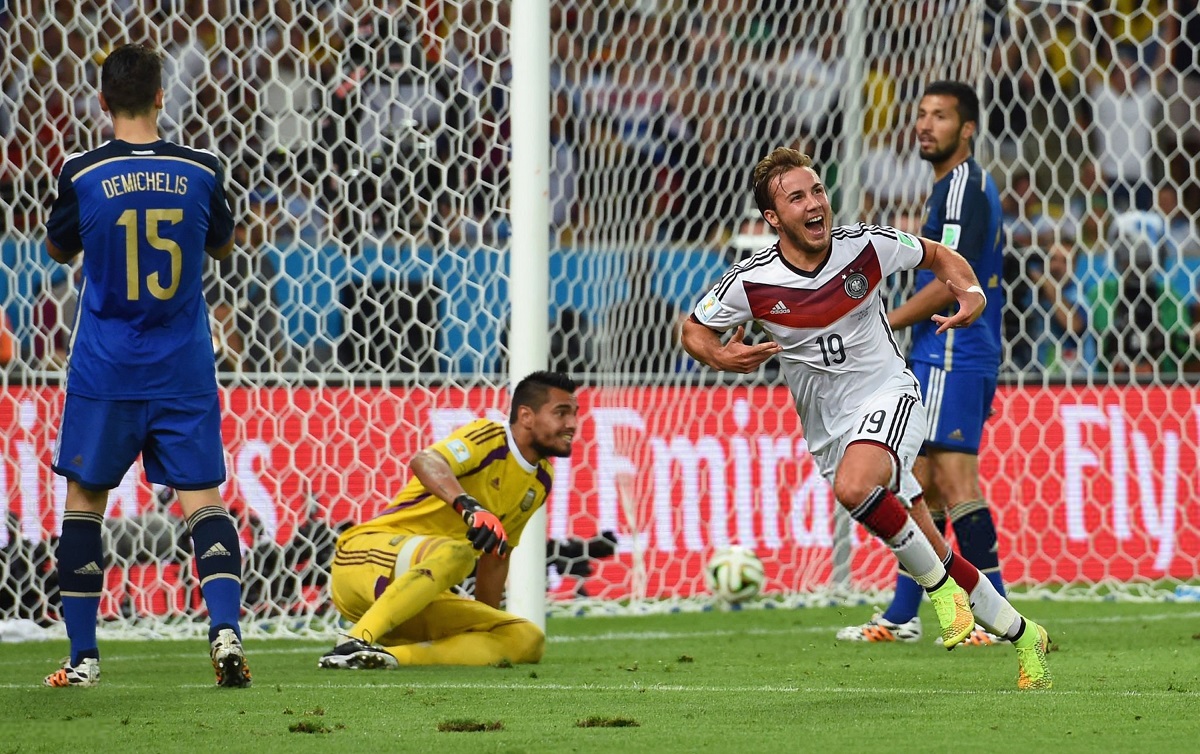
In the 113th minute, substitute Mario Götze controlled André Schürrle’s cross and volleyed the ball past Sergio Romero, securing a dramatic 1–0 victory.
Germany lifted their fourth World Cup trophy and became the first European nation to win a World Cup in South America.
Interesting Facts from the 2014 World Cup
Germany defeated Brazil 7–1 in one of the greatest shocks in football history
Miroslav Klose became the all-time leading scorer in World Cup history
Germany became the first European team to win a World Cup in South America
The tournament featured record-breaking attacking football and dramatic knockout matches
Mario Götze scored the winning goal in the final as a substitute
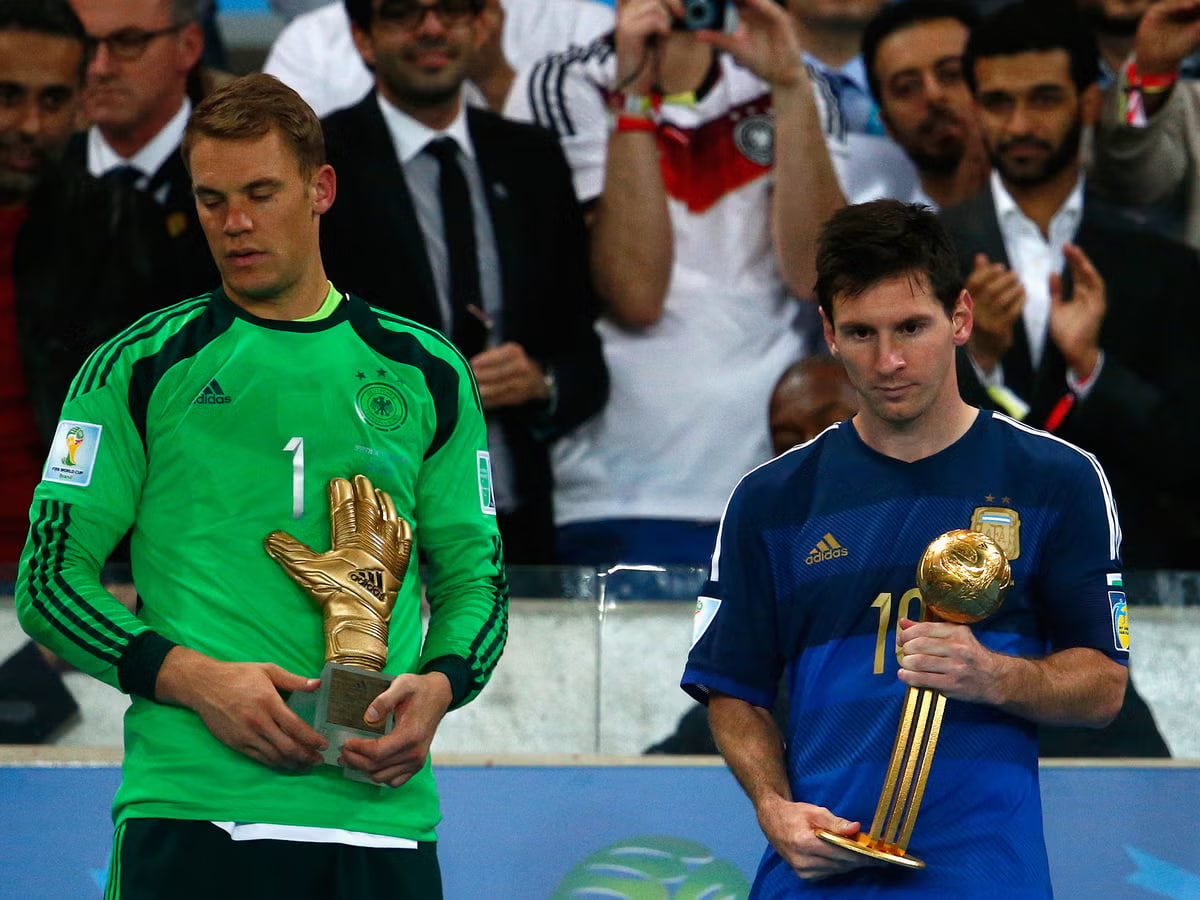
Top Scorer and Best Player
James Rodríguez (Colombia) – Top Scorer (6 goals)
Lionel Messi (Argentina) – Best Player of the Tournament