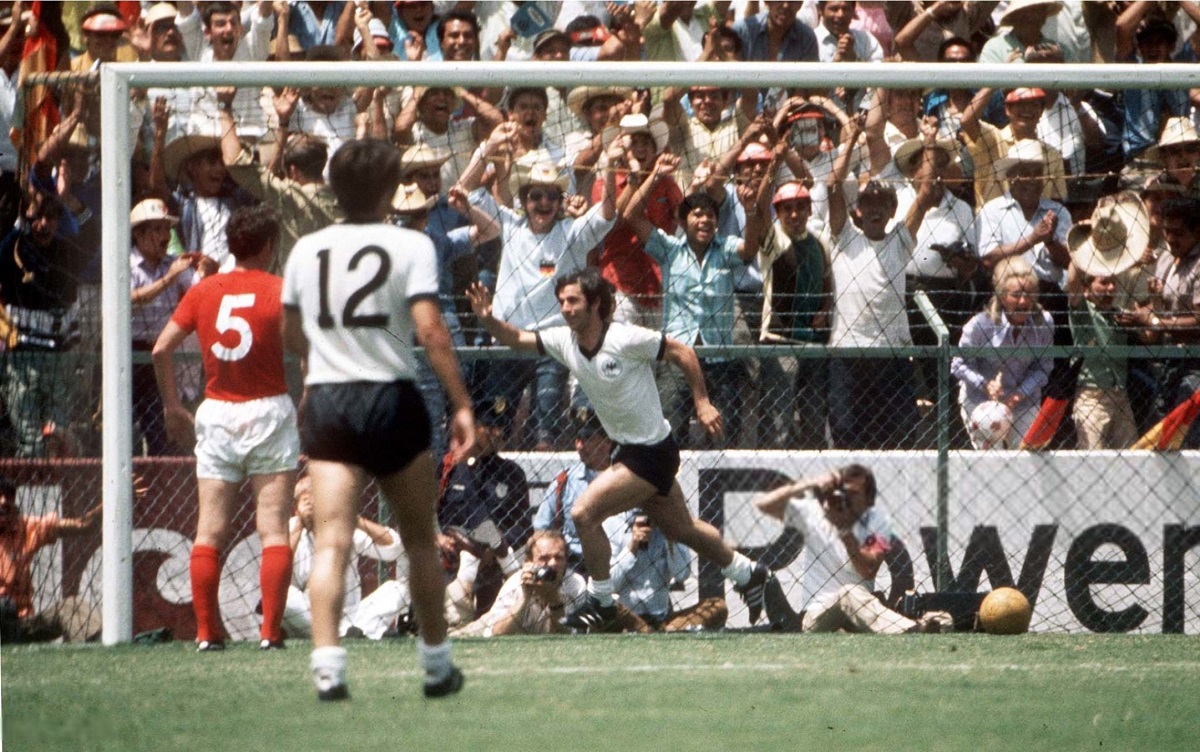
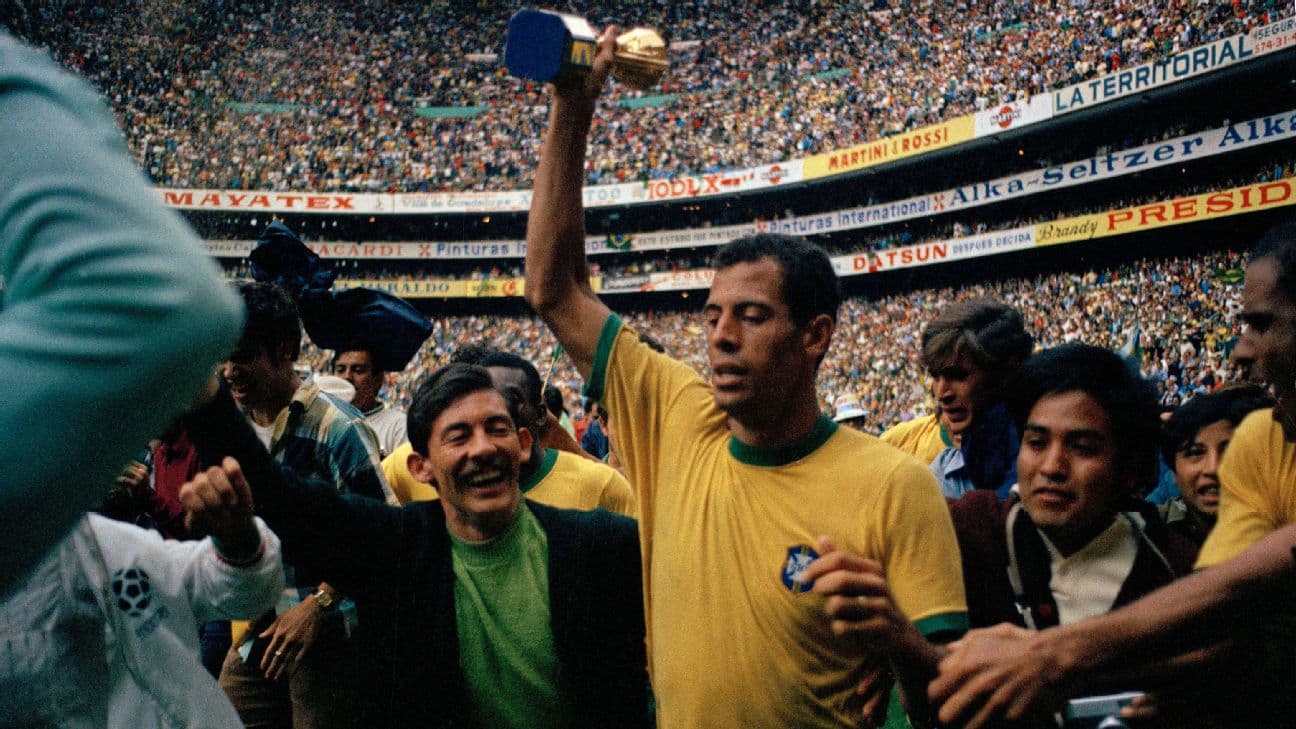
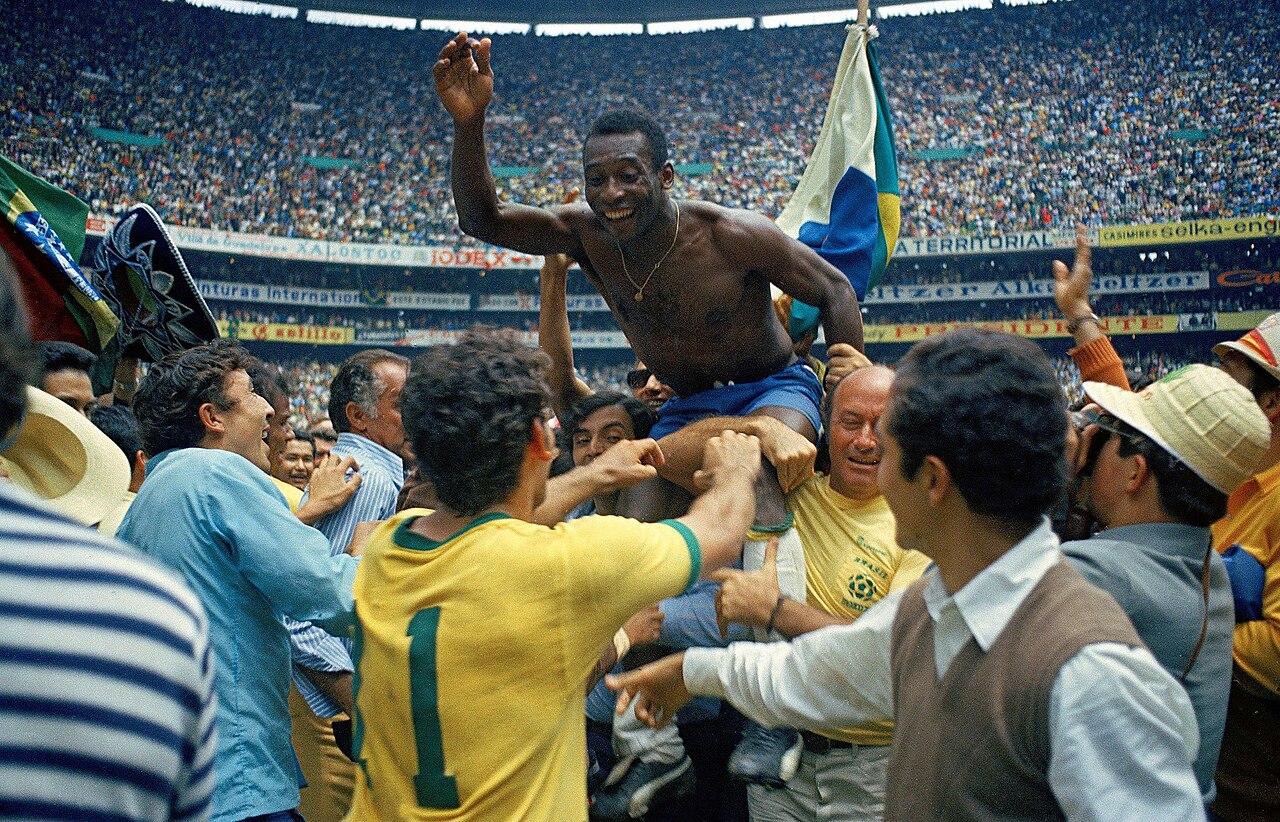
In 1970, Pelé crowned his legendary career with a third World Cup title, leading Brazil to a dazzling triumph that defined the beautiful game for generations.
Historical Background
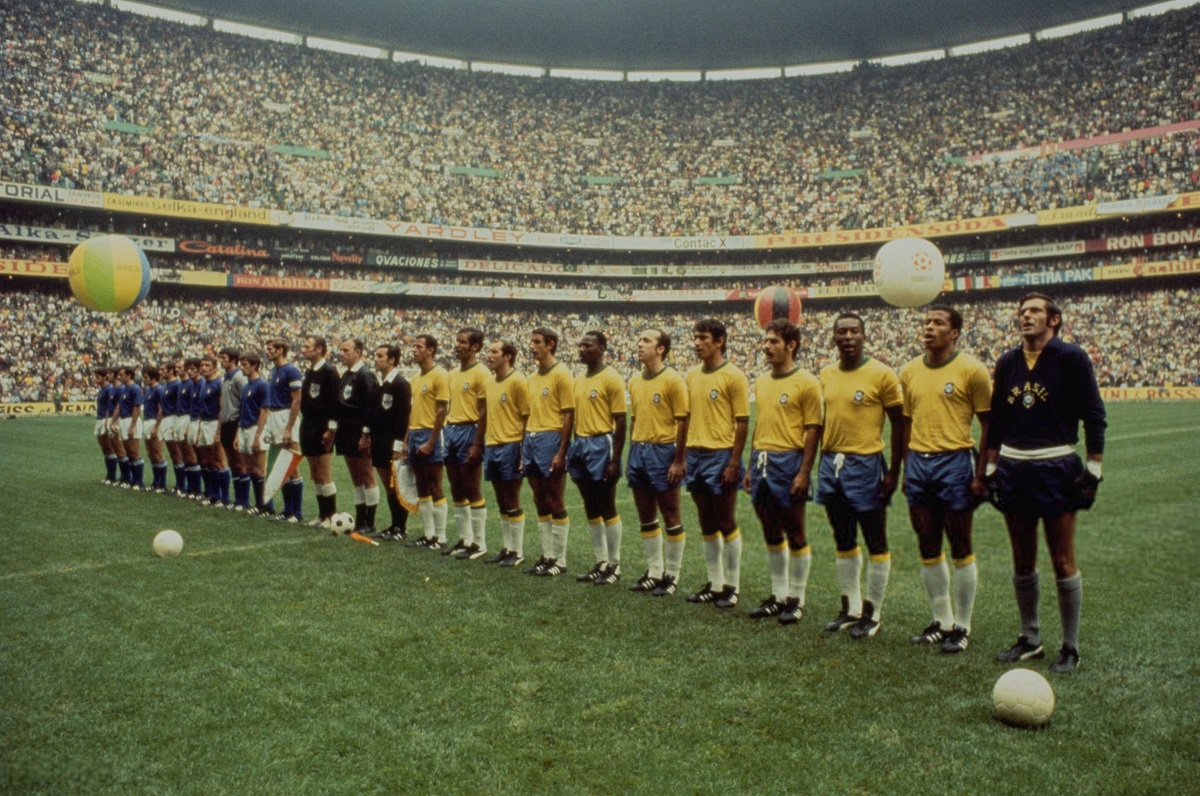
The 1970 FIFA World Cup was held in Mexico and became a landmark tournament in football history. It was the first World Cup broadcast in color, bringing the excitement and flair of the game to a global audience like never before.
Brazil entered the tournament with immense expectations, boasting a squad filled with extraordinary talent including Pelé, Jairzinho, Tostão, Rivelino, and Carlos Alberto. After the disappointments of 1966, Brazil returned determined to reassert their dominance on the world stage.

The Road to Glory: Pelé Leads Brazil’s Greatest Team to Perfection
Brazil dominated the tournament from start to finish, winning all their matches with attacking brilliance and tactical fluidity.
In the final against Italy, Brazil delivered a performance for the ages. Pelé opened the scoring with a powerful header, showcasing his aerial dominance. Italy responded, but Brazil’s relentless attacking play proved too much.
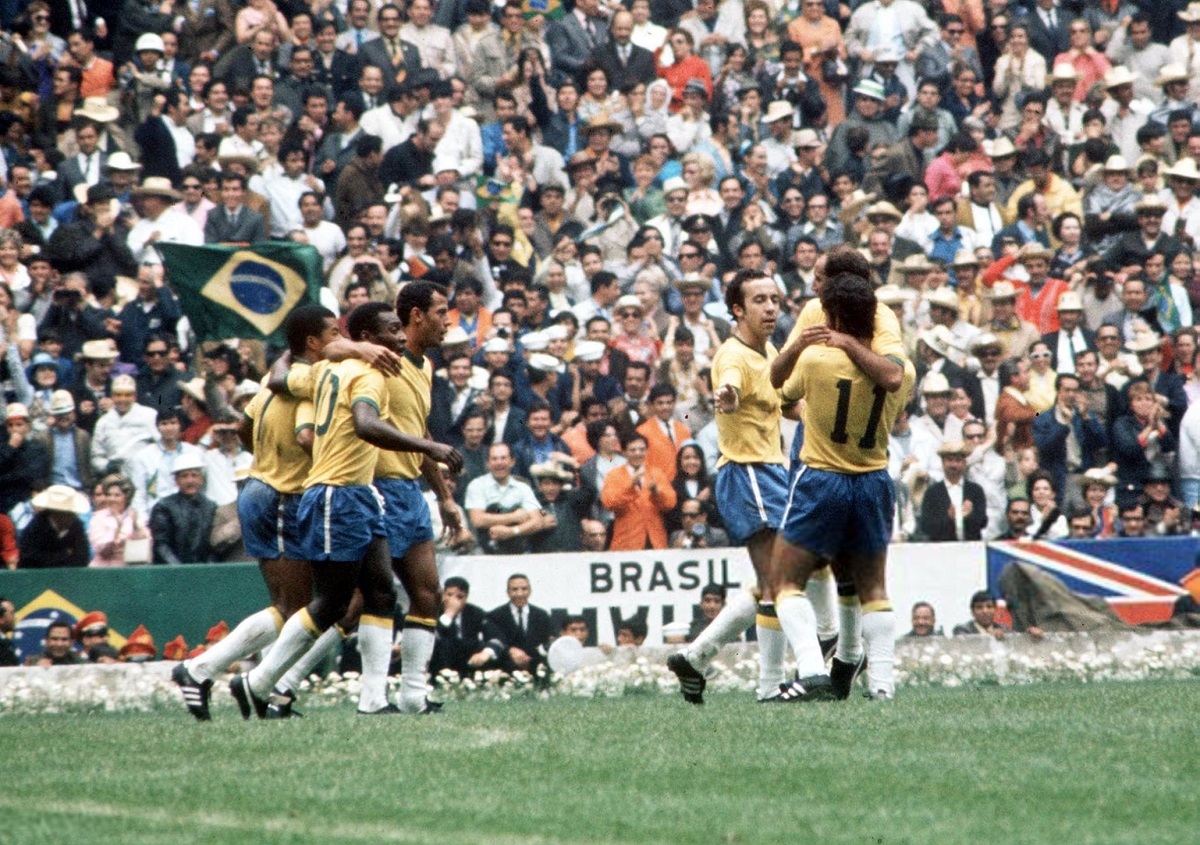
The defining moment came with one of the greatest team goals in World Cup history, finished by Carlos Alberto after a flowing move involving multiple players — a goal that perfectly symbolized Brazil’s style and unity.
Brazil won 4–1, securing their third World Cup title and permanently claiming the Jules Rimet Trophy.
Interesting Facts from the 1970 World Cup
It was the first World Cup broadcast in color
Brazil became the first team to win three World Cups
Jairzinho scored in every match of the tournament
The 1970 Brazil team is widely considered the greatest in football history
Top Scorer and Best Player
Gerd Müller (West Germany) – Top Scorer (10 goals)
Pelé (Brazil) – Best Player of the Tournament